Essential Oil: Nutmeg

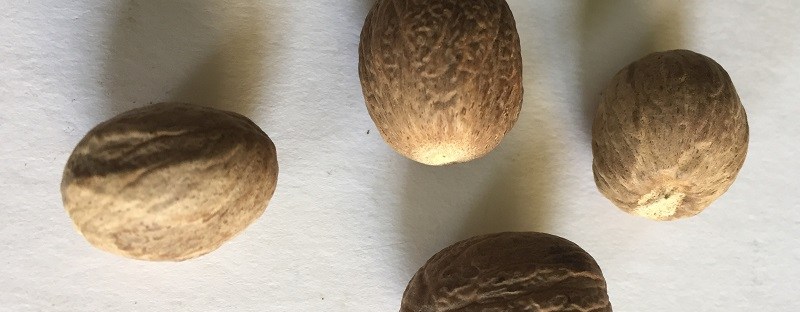
Nutmeg

Latin Name: Myristica fragrans

Family: Myristicaceae

Plant Part: Seed

Method: Distillation

Note/Element: Note: Top/Middle.  Element: Earth.

Functional Groups: Terpene, Alcohol, Phenol, Ether

Type: Stimulating, warming

Ayurvedic Dosha: Kapha

Scent: Spicy, intoxicating, warm, sweet, hot

For Skin Type: None

Caution: Not during pregnancy.  Irritating.  Toxic

Physical Uses: Nausea, indigestion, diarrhea, circulation, cold feet, muscle & joint pain, amenorrhea, scanty menstrual flow, menstrual cramps, digestion,fatique, rheumatism.

Mental/Emotional Uses: Exhauastion, apathy, loss of sexual drive

Other Uses: Intensifies dreams, holiday scent for diffusion, men’s colognes & aftershave, aphrodisiac.

Blends Well With: Flowers, Fruit, Resin, Root, Seed, Spice, Wood

Possible Substitutions: Clove bud, ginger

References:

Graf, Katherine:Aroma Studio:Aromatherapy Home Study Certification Master Level, 2001-2012.

https://www.aromaweb.com/essential-oils/nutmeg-oil.asp

http://aromatherapybible.com/nutmeg-mace/

Schnaubelt, Kurt, Advanced Aromatherapy: The Science of Essential Oil Therapy, Healing Arts Press, Rochester, Vermont, 1998, p 49.

https://www.anniesremedy.com/myristica-fragrans-nutmeg.php


Essential Oil Profile: Niaouli (MVQ)

Vintage flat-pea branch plant vector

Niaouli

Latin Name: Melaleuca quinquenervia viridiflora

Family: Myrtaceae

Plant Part: Leaves, twigs

Method: Distillation

Note/Element: Note: Top/Middle. Element: Metal

Functional Group: Terpene, sesquiterpene, alcohol, oxide

Type: Stimulating

Ayurvedic Dosha (Balances): Pitta, Kapha

Scent: Musty, medicinal, sweet, fresh, earthy

For Skin Type: Oily, acne, dull

Cautions: Not during pregnancy, Not with estrogen dependent cancers. Use caution with young children.

Physical Uses: Immune system, colds, flu, cough, cold sores, sore muscles & joints, burns, cuts, insect bites, vaginitis, systitis, hormonal, boils, high blood pressure, urinary infections, rheumatism, asthma, catarrh, poor circulation, mouth wash, rheumatism.

Mental/Emotional: Revitalizing

Other Uses: Radiation burns (protects before and heals after)

Blends Well With: Citrus, Melaleuca genus such as tea tree

Possible Substitutions: Tea tree, Manuka, Rosalina, Cajeput.

News You Can Use: To protect against air-borne infections, make a room spray by mixing 300 ml (1/2 pint) warm water with 5 ml (1 tsp) niaouli in a spray bottle. This is particularly effective sprayed in public places like waiting rooms.

References:

Graf, Katherine:Aroma Studio:Aromatherapy Home Study Certification Advanced Level, 2001-2011.

http://www.natural-holistic-health.com/naouli-melaleuca-quinquenervia-essential-oil-profile-benefits-properties/

http://www.floracopeia.com/Essential-Oils/essential-oils-sub/organic-niaouli-oil.html

https://www.aromaweb.com/essential-oils/niaouli-oil.asp

http://aromatherapybible.com/niaouli/

Essential Oil Profile: Neroli, Orange Blossom

Neroli

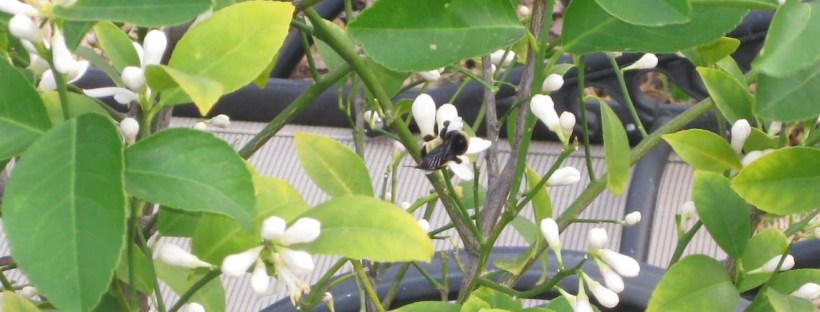
Latin Name: Citrus aurantium

Common Name: Neroli, Orange Blossom, Orange Flowers, Neroli Bigarde

Family: Rutaceae

Plant Part: Flower

Method: Distillation

Note/Element: Note: Top/Middle. Element:Fire.

Functional Groups: Alcohol, aldehyde, ester, ketone, sesquiterpene, terpene

Type: Relaxing

Ayurvedic Dosha (Balances): Vata, Pitta

Scent: Floral, citrusy, rich, fruity, silky, strong masculine, earthy.

For Skin Type: Normal, dry, sensitive, mature

Cautions: Phototoxic

Physical Uses: High blood pressure, heart palpitations, flatulence, menstrual and stomach cramps, circulation, scars, stretch marks, insomnia.

Mental/Emotional Uses: Depression, stress, tension, anxiety, PMS, soothing, calms nervousness, boost confidence.

Other Uses: Perfumery

Blends Well With: Flower, Peel, Resin, Root, Wood

Possible Substitutions: Petigrain

News You Can Use: Used as a perfume oil and especially in Eau-de-Cologne. In 1680, an Italian princess named Nerole. perfumed her gloves, stationery and clothes with orange blossoms. The scent was known as Nerole’s scent or Neroli.

References:

Graf, Katherine:Aroma Studio:Aromatherapy Home Study Certification Foundation Level, 1999-2010.

http://www.gritman.com/neroli-essential-oil.html

https://www.aromaweb.com/essential-oils/neroli-oil.asp

Schnaubelt, Kurt, Advanced Aromatherapy: The Science of Essential Oil Therapy, Healing Arts Press, Rochester, Vermont, 1998, p 61.

Essential Oil Profile: Myrrh

Latin Name: Commiphora myrrha

Family: Burseraceae

Plant Part: Resin

Method: Distillation

Note/Element: Note: Base Element: Earth, Mental

Functional Groups: Sesquiterpene, ketone, aldehyde

Type: Euphoric

Ayurvedic Dosha ( Balances): Vata, Kapha

Scent: Smooth, sweet, warm, earthy, woody

For Skin Type: Dry, mature

Cautions: Not during pregnancy, Not with estrogen dependent cancers.

Physical Uses: Weepy cuts, cracked skin especially hands and feet, gingivitis ( 1 drop in mouth wash), sore throat, cough, toenail fungus, athlete’s foot, thrush,colds, wasting digestive diseases, ulcers, diarrhea, gas, loss of appetite, balancing sexual appetite.

Mental/Emotional Uses: Soothing, comforting, an emotional balm

Other Uses: Spiritual and ritual use, meditation, symbolic of wealth, perfumery

Blends Well With: Resins, roots, woods, citrus, flowers,

Possible Substitutions: Benzoin

References:

http://www.gritman.com/myrrh-essential-oil.html

https://www.anniesremedy.com/commiphora-myrrha.php

Graf, Katherine:Aroma Studio:Aromatherapy Home Study Certification Master Level, 2001-2012.

https://draxe.com/myrrh-oil/


Essential Oil Profile: Mugwort

Latin Name: Artemisia vulgaris  (Endangered or Declining in some areas)

Family: Asteraceae (Compositae, Daisy)

Plant Part: Flowering plant

Method: Distillation

Note/Element: Note: top/Middle Element: Wood

Functional Groups: Ketone, Oxide, Terpene, Ester, Alcohol

Type: Stimulating

Ayurvedic Dosha: Kapha

Scent: Herbaceous, minty, penetrating

For Skin Type: None

Cautions: Not during pregnancy, Not for children, Strong emmenagogue, Toxic. Neurotoxic

Physical Uses: Menstrual cramps, amenorrhea, scanty menstruation, PMS, Anthelmintic, antispasmodic, choleretic, diaphoretic, diuretic, emmenagogue, nervine, stimulant, tonic, vermifuge. Used for skin parasites. Used to calm, help one to dream.

Mental/Emotional Uses: Use with care because of high ketone content. *

Other Uses: Ritual, intuition, dream pillows, to enhance dreams.

Blends Well With: Flower, Flowering plant, Fruit, Leaf

Possible Substitutions: Basil Holy (Tulsi), Basil Tropical

References:

https://www.anniesremedy.com/emmenagogue-property-21.php

https://www.mountainroseherbs.com/products/mugwort/

https://www.edenbotanicals.com/armoise-mugwort.html

Schnaubelt, Kurt, Advanced Aromatherapy: The Science of Essential Oil Therapy, Healing Arts Press, Rochester, Vermont, 1998, pp 43,44,50.

Graf, Katherine:Aroma Studio:Aromatherapy Home Study Certification Master Level, 2001-2012.

*http://www.gritman.com/mugwort-essential-oil.html

Disclaimer: 

General: We recommend that you consult with a qualified healthcare practitioner before using herbal products, particularly if you are pregnant, nursing, or on any medications.

For educational purposes only. This information has not been evaluated by the Food and Drug Administration.
This information is not intended to diagnose, treat, cure, or prevent any disease.


Essential Oil Profile: Mimosa Absolute

Mimosa Absolute

Latin Name: Acacia dealbata,mirenisi

Family: Mimosaceae

Plant Part: Blossoms

Method: Absolute

Note/Element: Middle/Base

Functional Group: Aldehyde

Type: Euphoric, calming

Ayurvedic Dosha(Balancing): Pitta

Scent: Floral, sweet, green

For Skin Type: Sensitive, oily

Cautions: Not during pregnancy, may be sensitizing

Physical Uses: PMS, menarche (the first occurrence of menstruation)

Mental/Emotional Uses: Overly sensitive individuals especially women, teens, and children, weepy, nervousness, anxiety, depression, worrying, soothing

Other Uses: High-end perfumery

Blends Well With: Flower, Fruit.

Possible Substitutions: Rose absolute, Rose otto, Melissa

References:

Katherine Graf:Aroma Studio:Aromatherapy Home Study Certification Master Level, 2001-2012.

http://www.lgbotanicals.com/Mimosa-Absolute_p_732.html

http://www.camdengrey.com/essential-oils/mimosa-absolute.html

http://www.indiaessentialoils.com/mimosa-absolute-oil.html

https://alchemyducorps.com/mimosa-flower-oil-in-natural-skincare/

Essential Oil Profile: Melissa

Melissa

Latin Name: Melissa officinalis

Family: Lamiaceae (Labiatae)

Plant Part: Flowering Plant

Method: Distillation

Note/Element:  Note:Top/Middle. Element: Fire, Wood.

Functional Groups: Aldehyde, Terpene, Sesquiterpene, Alcohol, Ester, Oxide

Type: Relaxing, balancing

Ayurvedic Dosha: Vata, Pitta, Kapha

Scent: Lemony, subtle, herbacous

For Skin Type: Oily, acne

Cautions: Not during pregnancy

Physical Uses: Cold sores, herpes, coughs, colds, menstrual and stomach cramps, anger, indigestion, PMS, headache, high blood pressure, nausea, palpitations.

Mental/Emotional Uses: Anxiety, depression, nervousness, stress, grief, heartbreak

Other Uses: Insect repellent. Related to heart chakra

Blends Well With: Flower, Fruit, Resin, Seed, Spice, Wood

Possible Substitutions: Lemongrass, Leptospermum

News You Can Use: If you want to draw bees to your garden, plant Melissa also known as lemon balm and bee balm.

References:

Graf, Katherine:Aroma Studio:Aromatherapy Home Study Certification Master Level, 2001-2012.

https://www.aromaweb.com/essential-oils/melissa-oil.asp

http://aromatherapybible.com/melissa/

Schnaubelt, Kurt, Advanced Aromatherapy: The Science of Essential Oil Therapy, Healing Arts Press, Rochester, Vermont, 1998, pp 27,41, 52, 107.


Essential Oil Profile: Marjoram

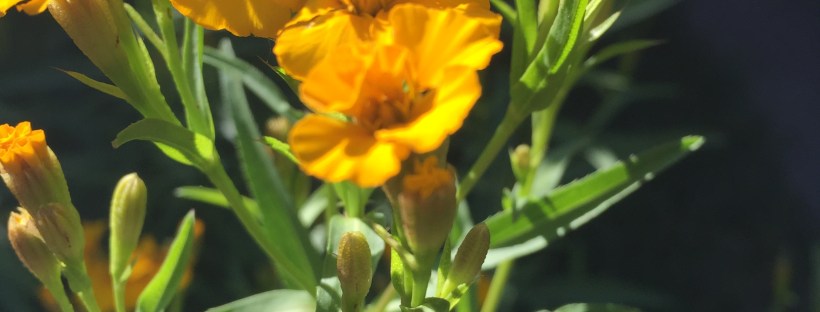
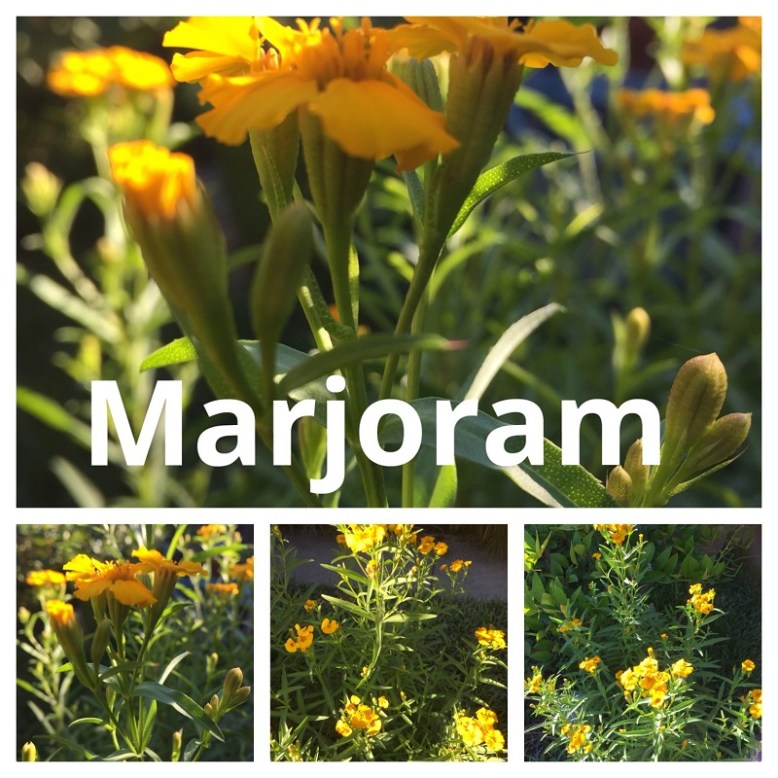
Marjoram

Latin Name: Origanum marjorana, Marjorana hortensis

Family: Lamiaceae (Labiatae)

Plant Part: Plant (Leaves, Flowers/Buds)

Method: Distillation

Note/Element: Note: Middle. Element: Wood.

Functional Groups: Terpene,sesquiterpene, alcohol, ester

Type: Relaxing

Ayurvedic Dosha (Balances): Vata, Pitta, for Kapha substitute Spanish Marjoram (Thymus mastichina)

Scent: Herbaceous, warm, camphoraceous, sweet, woody

For skin Type: None

IMG_3668

(Photos by AromaAngie)

Caution: Not during pregnancy. Not for low blood pressure. Not for asthma. Not before love love-making since it is anaphrodisiac (discourages sexual feelings).

Physical Uses: Insomnia, muscle & joint pain, colds, cough, flu, PMS, headache, migraine, indigestion, menstrual cramps, palpitations, nervine, sedative.

Mental/Emotional Uses: Stress,  comforting, grief, numbing.

Other Uses: combine with Rose for grief. Combine with Lavender for headache.

Blends Well With: Leaves, citrus, lavender

Possible Substitutions: Lavender, Don’t confuse sweet Marjoram with Spanish Marjoram (Thymus mastichina).

References:

Katherine Graf:Aroma Studio:Aromatherapy Home Study Certification Advanced Level, 2001-2011.

Lawless, Julia, The Complete Illustrated Guide To Aromatherapy, Boston,MA, Element Books Limited, 1997, p 200.

https://www.aromaweb.com/essential-oils/marjoram-oil.asp

http://www.experience-essential-oils.com/marjoram-oil.html

http://aromatherapybible.com/marjoram/


Essential Oil Profile: Mandarin Red

Mandarin Red

Latin Name: Citrus reticulata

Other Mandarin Varieties: 

Citrus nobilis- King

Citrus deliciosa- Mediterranean

Citrus unshiu Satsuma

Family: Rutaceae

Plant Part: Peel      

Method: Expression

Note/element: Note: Top Element: Earth, Mandarin Green is Earth, Wood

Functional Group: Terpene, alcohol, ester, aldehyde

Type: Relaxing, balancing

Ayurvedic Dosha ( Balances): Mandarin Red: Vata ( for emotions, too drying for the skin), Pitta, Kapha  Mandarin Green: Kapha

Scent: Citrus, Orange, soft, smooth, sweet, fruity

For Skin Type: Oily

Cautions: Do not oxidized oil, Use within 6 months

Physical Well With: Digestion, nausea, lymphatic drainage, stretch marks, water retention, cellulite

Mental/Emotional Uses: Calming, insomnia, creativity, depression, anxiety, stress, cheering

Other Uses: Calms children

Blends Well With: Almost anything

Possible Substitutions: Sweet Orange, Petitgrain, Tangerine, Mandarin Green is from the immature peel of Citrus reticulata, and is more moving and stimulating rather than relaxing.

References:

Katherine Graf:Aroma Studio:Aromatherapy Home Study Certification Advanced Level, 2001-2011.

https://www.quinessence.com/blog/mandarin-essential-oil

https://www.aromaweb.com/essential-oils/mandarin-oil.asp


Essential Oil Profile: Lime

Lime

Latin Name:  Citrus aurantifolia

Family: Rutaceae

Plant Part: Peel

Method: Expression

Note/Element: Note:Top. Element: Wood.

Functional Groups: Terpene, alcohol, ester, aldehyde

Type: Stimulating, refreshing

Ayurvedic Dosha (Balancing): Pitta, Kapha

Scent: Fresh, citrus, sweet, slightly tart

For Skin Type: Oily, acne

Cautions: Do not use oxidized oil. Use within 6 months. Phototoxic, skin sensitizing. Distilled Lime is not Phototoxic or skin sensitizing.

Physical Uses: Cellulite, fever, colds, flu, digestion, acne, varicose veins, asthma,tonic.

Mental/Emotional Uses: refreshes, cheering, cooling to a hot temperature, improves concentration,restorative.

Other Uses: Disinfectant, purify the air, men’s cologne and aftershave

Blends Well With: Almost anything

Possible Substitutions: Lemon or Lime Sweet (Citrus limetta)

Shelf Life: Use within six months.

References:

Graf, Katherine:Aroma Studio:Aromatherapy Home Study Certification Advanced Level, 2001-2011.

https://www.aromaweb.com/essential-oils/lime-oil.asp

http://www.experience-essential-oils.com/lime-essential-oil.html

Lawless, Julia, The Complete Illustrated Guide To Aromatherapy, Boston,MA, Element Books Limited, 1997, p184.

http://ayurvedicoils.com/tag/health-benefits-of-lime-essential-oil