Essential Oil Profile: Benzoin Absolute

Benzoin Absolute

Latin Name:Styrax benzoe

Family:Styracaceae

Method:Solvent extracted

Plant Part:Resin

Note/Element:Base/Earth, Metal

Functional Group:Aldehyde, ester

Type:Relaxing, warming

Ayurvedic Dosha(Balances):Vata

Scent:Warm, smooth, sweet

Skin Type:Great for dry,cracked

Cautions:Skin sensitization

Physical Uses:Cracked skin, dry cough, chills, laryngitis, arthritis

Other Uses:Perfume fixative

Mental/Emotional Uses:Comfort, stress, security, grief, loneliness, home, sickness

Blends Well:Citrus, resins, flowers, spices & wood oils.

Possible Substitutions:Myrrh

Essential Oil Profile: Bay Laurel

Bay Laurel

Latin Name: Laurus nobilis

Family: Myrtaceae

Plant part: Leaves

Extraction Method: Steam Distillation

Typical Country: Croatia

Note/Element: Note:Top/middle. Element: Fire, Metal

Functional Groups: Terpene, sesquiterpene, alcohol, ester, phenol,oxide

Type: Stimulating

Ayurvedic Dosha (Balances): Kapha

Scent: Spicy,refreshing,penetrating

For Skin Type: Oily

Cautions :  Not during pregnancy. Skin sensitizing. Not for young children.

Physical Uses: Swollen lymph glands, indigestion, stimulate appetite, colds, flu, immune system, cough, muscle and joint pain.

Mental/Emotional Uses: Mental clarity, stress, studying, courage

Other Uses : Apply diluted behind lower ear(not inside!) for swollen glands.

Blends Well With: Needle, cones, citrus, spices, herbs

Possible Substitutions: Cinnamon Leaf

Disclaimer

This information is for educational purposes only, it is not intended to treat, cure, prevent or, diagnose any disease or condition. Nor is it intended to prescribe in any way. This information is for educational purposes only and may not be complete, nor may its data be accurate.

As with all essential oils, never use them undiluted. Do not take internally unless working with a qualified and expert practitioner. Keep away from children. If applying an essential oil to your skin always perform a small patch test to an insensitive part of the body (after you have properly diluted the oil in an appropriate carrier.
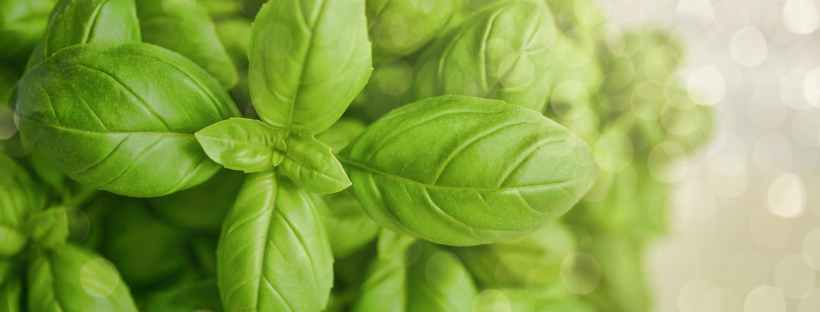
Essential Oil Profile:Basil Sweet

Basil Sweet

Latin Name: Ocimum basilicium

Spanish Translation: Albahaca

Family: Lamiaceae(Labiatae)

Plant Part: Flowering Plant

Method: Distillation

Typical Country: Vietnam, India

Note/Element: Note:Top/Element:Fire,Wood

Functional Groups: Phenol,alcohol,ester,ketone,oxide

Type: Stimulating

Ayurvedic Dosha(Balances): Vata, Kapha

Scent: Sweet, herbaceous, spicy

For Skin Type: Oily, acne

Cautions: Not during pregnancy. Use diluted.

Physical Uses: Muscle & joint pain, colds, flu, cough, menstrual, cramps,flatulence        Indigestion, amenorrhea

Mental/Emotional Uses: Nervous tension, mental clarity, depression, stress, anxiety, studying

Other Uses: Holy Basil is good for anointing the hair & during meditation for focusing.

Blends Well With: Citrus, herbs

Possible Substitutions: Basil Holy(Tulsi),(Ocimum santum) or Basil Tropical  (Ocimum basilicum)

Essential Oil Profile: Angelica


Angelica

Latin Name: Angelica archangelica

Family: Apiaceae (Umbelliferae)

Plant Part: Root

Method: Distillation

Typical Country: Hungary

Note/Element: Note:Base. Element: Earth.

Functional Groups: Terpene, Ester, Coumarin

Type: Balancing, grounding.

Ayurvedic Dosha: Vata

Scent: Herbaceous,heavenly, spicy & earthy.

For Skin type: None

Caution: Not during pregnancy. Phototoxic. May cause sensitization. Dilute!

Physical Uses: Highly regarded in Chinese medicine. Menstrual cramps. colds, flu, cough. Detoxification bath.        Indigestion, nausea, insomnia, PMS, menopause, muscle and joint pain.

Mental/Emotional Uses: Anxiety, stress, exhaustion, addiction.

Blends Well With: Spice, flower, fruit and root.

Possible Substitutes: Angelica seed. Difficult to substitute: Rose is a possibility for menstrual issues.

Essential Oil Profiles

Aromatherapy describes the use of essential oils, potent aromatic substances extracted from plants for physical and emotional healing.” Kathi Keville

Each month as a teaching tool I will profile an essential oil. This is a great way to learn about essential oils and their health benefits. Each profiles will include:

Latin Name– the genus and the species including chemotype if appropriate.

Family– The Latin family name.

Plant Parts– Part of the plant that the essential oil comes from.

Method– Method use to extract the oil from the plant.

Typical Country– Countries that grow the plant for the essential oil production.

Note/Element– The perfumery note. The elements according to Chinese five element theory( earth wood, fire, water & metal).

Functional Groups-The chemical components of the essential oil.

Type– The action the essential oil has on the body and the mind.

Ayuredic Dosha ayuredic skin/body type(Vata, Pitta,Kapha).

Scent– A description of the scent.

For Skin Type-The skin type the essential oil works best on.

Cautions– Possible dangers of the essential oil.

Physical Uses– Best physical uses of this oil.

Mental/Emotional Uses -Best mental/emotional uses of this oil.

Other Uses-Other uses such as spiritual or environmental.

Blends Well With-Best Essential oils that this oils blends with for perfumery.

Possible Substitutions-Oils that you may substitute if this oil is not available.

By becoming more knowledgeable about essential oils we can use them safely and discover their many benefits. Aromatherapy with the use of essential oils can provide a more natural way to live and enhance our lives.

Keeping Nature Alive!

AromaAngie