Essential Oil Profile: Hyssop decumbens

Hyssop decumbens

Latin Name: Hyssop officinalis var. decumbens

Family: Lamiaceae (Labiatae)

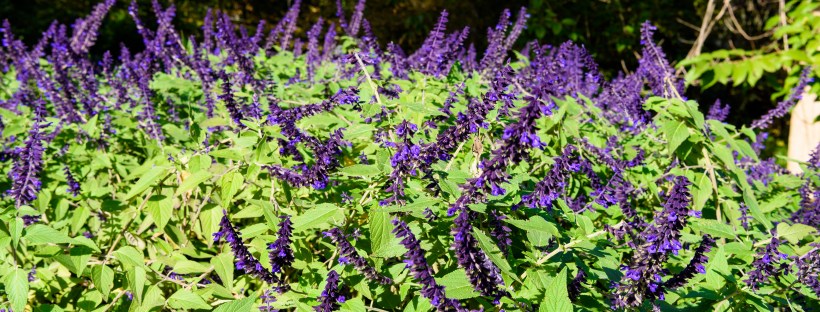
Plant Part: Flower, buds & leaves

Method: Distillation

Note/Element: Note: Middle. Element: Metal.

Function Groups: Oxide, Terpene, Sesquiterpene, Alcohol, Ester, Ketone (small amount)

Type: Stimulating

Ayurvedic Dosha: Vata, Kapha

Scent: Sweet, camphorous, warm, spicy, herbaceous, powerful.

For Skin Type: None

Cautions: Not during pregnancy or with children. Do not confuse with Hyssopus officinalis L. *  High blood pressure Schnaubelt, Kurt, Advanced Aromatherapy: The Science of Essential Oil Therapy, Healing Arts Press, Rochester, Vermont, 1998, Pages 49 .

Physical Uses: Colds, sinusitis, sore throat, congestion, coughs, bronchitis, hay fever, asthma, nail fungus, strongly antiviral ( fever blisters & herpes) and anti-bacterial, colic, regulate high blood pressure *.

Mental/Emotional: Nervous system tonic, grief, addiction

Other Uses: Space clearing ritual, natural perfumery

Blends Well With: Flower, Fruit, Leaf.

Possible Substitutes: Lavender Spike, Rosemary 1.8

News You Can Use: Hyssop has a history as a strewing (plants that are scattered over floors and dwellings) and purifying herb.

References:

Katherine Graf:Aroma Studio:Aromatherapy Home Study Certification Master Level, 2001-2012.

https://www.mountainroseherbs.com/products/hyssop-essential-oil/profile

Schnaubelt, Kurt, Advanced Aromatherapy: The Science of Essential Oil Therapy, Healing Arts Press, Rochester, Vermont, 1998, Pages 28, 49, 102, 112, 123.

https://www.aromaweb.com/essential-oils/hyssop-oil.asp

https://www.edenbotanicals.com/hyssop-decumbens.html?
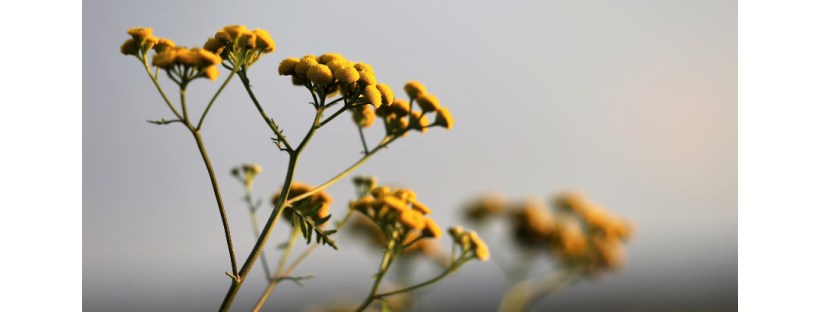
 

Essential Oil Profile: Helichrysum

Helichrysum, Immortelle, Everlasting

Latin Name: Helichrysum italicum

Family: Asteraceae (Compositae)

Plant Part: Flowering Plant

Method: Distillation

Note/Element:  Note: Base Element: Wood

Functional Groups: alcohol, ester, ketone, sesquiterpene, terpene.

Type: Relaxing

Ayurvedic Dosha (Balancing): Vata, Kapha

Scent: Herbaceous, rich, warm, earthy, fresh.

For Skin Type: Acne, oily, sunburn & mature.

Cautions: Not during pregnancy. substantial amount of ketones.

Physical Uses: Bruise, inflammation, sore throat, colds, flu, cough, mucus, muscle & joint pain (rheumatoid arthritis), sprain, scar, eczema, wounds, skin care for it’s regenerating tissue abilities.

Mental/Emotional Uses: Emotional bruising, addictions, stress.

Other Uses: Perfumery fixative.

Blends Well With: Flower, peel, resin, root.

Possible Substitutions: Lavender, Arnica macerate.


References:

Katherine Graf:Aroma Studio:Aromatherapy Home Study Certification Foundation Level, 1999-2010.

https://www.anandaapothecary.com/archive/pain-relief-from-essential-oils-using

https://www.aromaweb.com/essential-oils/helichrysum-oil.asp

Schnaubelt, Kurt, Advanced Aromatherapy: The Science of Essential Oil Therapy, Healing Arts Press, Rochester, Vermont, 1998, Pages 27,55,113,116 .

Essential Oil Profile

Grapefruit

Latin Name: Citrus x paradisi (hybrid derived from shaddock ( pomelo) & sweet orange)

Family: Rutaceae

Plant Part: Peel

Method: Cold Press/Expression

Note/Element: Note: Top. Element: Wood, Element

Functional Group: Alcohol, Aldehyde, Coumarin, Terpene;

Type: Euphoric, Refreshing

Ayurvedic Dosha (Balances): Vata, Kapha

Scent: Citrusy, tangy

For Skin Type: Oily

Cautions: Do not use oxidized oil. Use within 6 months. Avoid direct sunlight for 12 hours after using on the skin.

Physical Uses: cellulite, water retention, jet lag, immune stimulant, digestion, colds, flu, dull skin, fights inflammation, acne, helps hair shine. 

Mental/Emotional Uses: Lethargy, depression, stress, fatigue, exhaustion, energizing

Other Uses: Disinfectant

Blends Well With: Fruit, leaf, root, seed, spice.

Possible Substitutions: Lemon, Orange Sweet

News You Can Use: Named after Captain Shaddock , who brought it seeds from the West Indies to Jamaica in 1696.

References:

Katherine Graf:Aroma Studio:Aromatherapy Home Study Certification Foundation Level, 1999-2010.

https://www.thefreedictionary.com/shaddock

http://www.experience-essential-oils.com/benefits-of-grapefruit.html

https://www.aromaweb.com/essential-oils/grapefruit-oil.asp

https://www.aromaweb.com/essential-oils/grapefruit-oil.asp


Essential Oil Profile: Ginger

Ginger ( Zingiber officinalis )

Latin Name: Zingiber officinalis

Family: Zingiberaceae

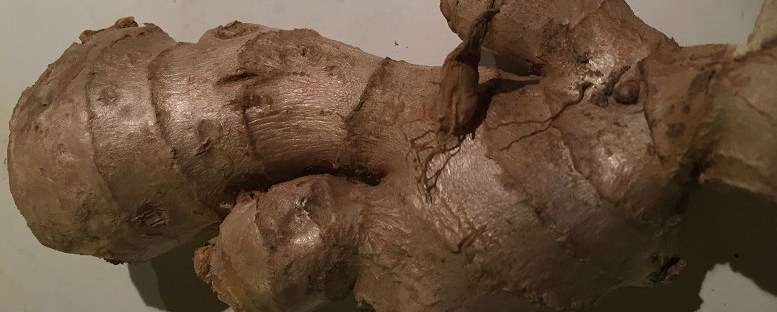
Plant Part: Rhizome

Method: Distillation

Note/Element: Note: Middle/Base  Element: Earth, Fire, Metal. 

Functional Groups: Alcohol, Aldehyde, Ketone, Sesquiterpene, Terpene.

Type: Stimulating Warming

Ayurvedic Dosha (Balances): Vata, Kapha

Scent: Spicy, penetrating, earthy, woody

For Skin Type: None

Cautions: May irritate sensitive skin, May be slightly photo-toxic. Pregnant and breast feeding women should be cautious (although can be useful with morning sickness).

Physical Uses: Digestion, menstrual cramps, flatulence, nausea, motion sickness, appetite stimulant, cough, mucus , colds, flu, muscle & joint pain, food poisoning, headaches & migraines,respiratory conditions, arthritis, hair loss (helps with blood circulation) .

Mental/Emotional Uses: Clarity, eating disorders, promote interest in life, lethargy, grounding, fear, exhaustion, renews the spirit.

Other Uses: Aphrodisiac, primary first aid essential oil in traditional Chinese medicine

Blends Well With: Peel, Resin, Seed, Spice, Wood

Possible Substitutions: Cardamom, Plai ( Thai Ginger )

References:

Katherine Graf:Aroma Studio:Aromatherapy Home Study Certification Foundation Level, 1999-2010.

https://www.thefusionmodel.com/ginger-essential-oil-benefits-uses-and-side-effects/

https://www.aromaweb.com/essential-oils/ginger-oil.asp

https://articles.mercola.com/herbal-oils/ginger-oil.aspx

Essential Oil Profile: Galbanum

Galbanum ( Endangered or Declining)

Latin Name: Ferula galbaniflua

Family: Apiaceae (Umbelliferae)

Plant Part: Resin

Method: Distillation

Note/Element: Note: Top/Middle Element: Metal

Functional Groups: Terpene, Sesquiterpene, Alcohol, Ketone

Type: Grounding, centering, drying.

Ayurvedic Dosha: Vata, Kapa

Scent: Woody, balsamic, fresh, green, earthy, spicy, bitter, clean.

For Skin Type: Mature

Cautions: Not during pregnancy. Not for children or teens.

Physical Uses: Menstrual cramps, scanty menstrual flow, amernorrhea, menopause, weepy wounds, cough with mucus, dry cough, muscle pain, snake and insects bites and repellent, rheumatism, respiratory and digestive support.

Mental/Emotional Uses: Longstanding problems, chronic stress, uplifting, clearing,

Other Uses: Hospice. Works best for mature individuals. Meditation. Used in perfumery.

Blends Well With: Flower, Fruit, Resin, Root, Spice, Wood Oils.

Possible Substitutions: Frankincense, Elemi 

References:

Katherine Graf:Aroma Studio:Aromatherapy Home Study Certification Foundation Level, 1999-2010.

https://www.aromaweb.com/essential-oils/galbanum-oil.asp

http://aromatherapybible.com/galbanum/

https://www.edenbotanicals.com/galbanum-organic.html

Lawless, Julia, The Complete Illustrated Guide To Aromatherapy, Boston,MA, Element Books Limited, 1997, page 193.


Essential Oil Profile:Frankincense ( Olibanum )

Frankincense

Latin Name: Boswellia carteri

Family: Burseraceae

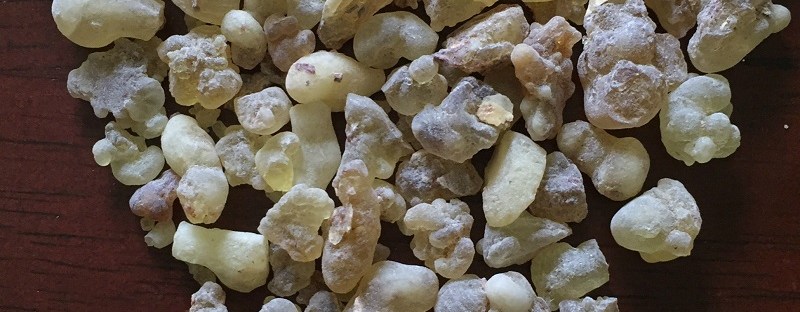
Plant Part: Resin

Method: Distillation

Note/Element: Middle/Base. Element: Metal, Earth.

Functional Groups: Alcohol, Sesquiterpene, Terpene

Type: Balancing

Ayurvedic Dosha (Balances): Vata

Scent: Balsamic, Woody, Spicey

For Skin Type: Mature, Dry

Cautions: Not during Pregnancy

Physical Uses: Cough, coughing spasm, dysmenorrhea, colds, flu, laryngitis, cystitis, mucus, scar, wrinkles, tonic, seditive to the nervous system, balancing menstrual & menopausal symptoms.

Mental/Emotional Uses: Anxiety, tension, depression, chronic stress, grounding & calming .

Other Uses: Meditation, clearing stagnant energy, slows breathing, religious ceremony

Blends Well With: Flower, Peel, Resin, Root, Spice and Wood oils.

Possible Substitutions: Myrrh

References: 

Katherine Graf:Aroma Studio:Aromatherapy Home Study Certification Foundation Level, 1999-2010.

https://draxe.com/what-is-frankincense/

Lawless, Julia, The Complete Illustrated Guide To Aromatherapy, Boston,MA, Element Books Limited, 1997, page 180.

https://www.aromaweb.com/essential-oils/frankincense-oil.asp


Disclaimer

 This website is informational use only. All frankincense information is commonly and generally recognized to be such as listed. As with any product, if a rash appears, discontinue use. In case of accidental ingestion, (of more than a drop or two,) call your nearby poison control center for instructions. Use common sense caution: keep away from children and pets. If using in a burner, don’t leave the flame unattended or where tails may brush it. Keep frankincense oil out of ears, eyes and mucus membranes.

Essential Oil Profile: Fokienia (Siam-wood) (Coffin-wood)

Fokienia (Siam-wood) (Coffin-wood)  *ENDANGERED OR DECLINING*

Latin Name: Fokienia hodgensii

Family: Cupressaceae (Cypress Family)

Plant Part: Wood, bark, (root).

Method: Distillation

Typical Country: Vietnam

Note/Element: Note: Middle/Base Element: Water

Functional Group: Alcohol

Type: Balancing

Ayurvedic Dosha: Vata males, Kapha males

Scent: Woody, subtle, sweet.

For skin Type: None

Cautions: Not recommended for women, infants or children.

Physical Uses: Sexual tonic for males, “male menopause”, transitional oil.

Mental/Emotional Uses: Strengthening, centering, warming

Spiritual: Siam-wood is the oil of the covenant.

Other Uses: Aphrodisiac especially for males

Blends Well With: Flower, Fruit, Root, Seed , Spice, Wood oils.

Possible Substitutions: Buddha-wood, Sandalwood


Research:

Katherine Graf:Aroma Studio:Aromatherapy Home Study Certification Master Level, 2001-2012.

http://www.gritman.com/siam-wood-essential-oil.html

https://miraclebotanicals.com/product/pemou-essential-oil/


Essential Oil Profile: Fir Silver (Fir White)

Fir Silver

Latin name: Abies alba

Family: Pinaceae

Plant Part: Needles, cones

Method: Distillation

Note/Element: Note:Top/Middle  Element: Metal

Functional Groups: Terpene, ester

Type: Stimulating

Ayurvedic Dosha (Balance): Kapha

Scent: sweet, woodsy, fresh, hint of orange, earthy undertones,

For Skin Type: Oily

Cautions: Do not use oxidized oil. Use within 6 months. Do not use Fir Douglas during pregnancy.

Physical Uses: Immune system, colds, flu, sinusitis, cough, muscle and joint pain, fatigue, detox, increases metabolism and body odor.

Mental/Emotional Uses: Stress, depression, nervousness, emotionally uplifting, mental clarity, studying.

Other Uses: Christmas scent, forest scent in diffuser & natural perfumery.

Blends Well with: Woods, leaves, citrus, needles

Possible Substitutions: Pine, Spruce


References:

Katherine Graf:Aroma Studio:Aromatherapy Home Study Certification Master Level, 2001-2012.

https://www.edenbotanicals.com/fir-silver-organic.html?utm_source=google&utm_medium=cpc&adpos=1o4&scid=scplp330-6&sc_intid=330-6&gclid=Cj0KCQjwjdLOBRCkARIsAFj5-GBc3w_dtcN5VAE6llM-aHXmXxxocj64Jji1UooVHwg0ceMjeUZ0SVwaAljgEALw_wcB

https://www.aromaweb.com/essential-oils/fir-needle-oil.asp

Cooksley, Valerie, Aromatherapy A Lifetime Guide to Healing with Essential Oils, Prentice -Hall, 1996, Paramus, New Jersey.

https://www.organicfacts.net/health-benefits/essential-oils/fir-needle-essential-oil.html


Essential Oil Profile: Fennel Sweet

IMG_3475_edited


Fennel Sweet

Latin Name: Foeniculum vulgare dulcis

Family: Apiaceae (Umbelliferae)

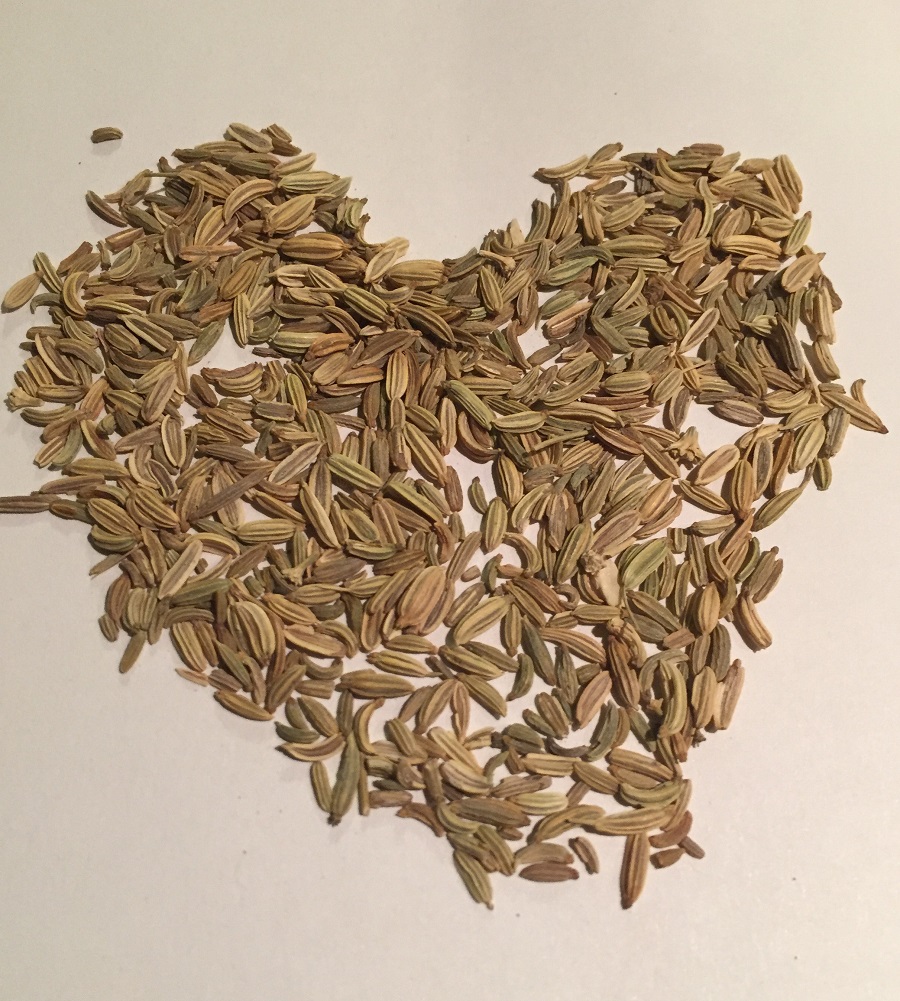
Plant Part: Seed

Method: Distillation

Note/Element: Note: Top/Middle Element:Earth

Functional Group: Ether, Ketone, Terpene

Type: Balancing, Strengthening, Stimulation

Ayurvedic Dosha: Vata, Pitta, Kapha

Scent: Warm, spicy, anise-like, peppery

For Skin Type: Oily, Mature,(but with low dose and with care)

Cautions: Not during pregnancy, not if epilepsy, may cause skin sensitization. Avoid in estrogen-dependent cancers, children under five.

Physical Uses: Nausea, indigestion, flatulence, constipation, menstrual cramps, scanty menstrual flow, amenorrhea, cellulite, detoxification, menopause, aides in weight loss, heals wounds, parasitic infections, skin and oral care, studies show promotes vascular functions.

Mental/Emotional Uses: Addictions especially food or alcohol, courage, helps with comunication.

Other Uses: hangover support.

Blends Well With: Flower, Fruit

Possible Substitutions: Anise, Dill


References: 

Katherine Graf:Aroma Studio:Aromatherapy Home Study Certification Master Level, 2001-2012.

https://draxe.com/fennel-essential-oil/

https://www.aromaweb.com/essential-oils/fennel-oil.asp

https://www.thearomablog.com/fennel-essential-oil-for-a-happier-tummy-and-a-slimmer-you/

Schnaubelt, Kurt, Advanced Aromatherapy: The Science Of Essential Oil Therapy, Vermont: Healing Arts Press, 1995

https://www.ncbi.nlm.nih.gov/pubmed/23240972