Essential Oil Profile: Cypress Blue

Blue Cypress(Callitris intratropica)

Latin Name: Callitris intratropica

Family: Cupressaceae

Plant Part: Twigs or Wood

Method: distillation

Note/Element: Note:Top/Middle Element: Wood, Metal

Functional Groups: Terpene, alcohol, lactone and ketone.

Type: Relaxing

ayurvedic dosha (Balances): Pitta

Scent: Sweet, woody, slightly floral, slightly smoky, fruity, notes of lemon and cedar.

For Skin Type: Sensitive

 Cautions: Not during pregnancy.

Physical Uses: Inflammation, warts, burns, rashes, cuts, paper cuts, sore muscles and joints, insect bites, psoriasis, skin moisturizer.

Mental/Emotional Uses: Soothing, centering, balancing and grounding, stress, anger, developing intuition, releases pessimism, helps us to feel empowered,

Other Uses: Insect repellent, men’s aftershave, meditation, dream pillows. Unusual in that this blue oil comes from the wood rather than the flower such as Chamomile blue. Perfume fixative.

Blends Well With: Flower, Fruit, Needle/Cone, Wood, Other  blue oils.

Possible Substitutions: Emerald Cypress(Callitris columellaris), Jade Cypress(Callitris flauca)

 References:

 Katherine Graf:Aroma Studio:Aromatherapy Home Study Certification Advanced Level, 2001-2011.

Lawless, Julia, The Complete Illustrated Guide to Aromatherapy, Shaftesbury ,Dorset,Element Books, 1997.

http://www.edenbotanicals.com/cypress-blue.html

http://aromaweb.com/essential-oils/blue-cypress-oil.asp

http://www.experience-essential-oils.com/blue-cypress-essential-oil.html

For educational purposes only. This information has not been evaluated by the Food and Drug Administration.This information is not intended to diagnose, treat, cure, or prevent any disease.

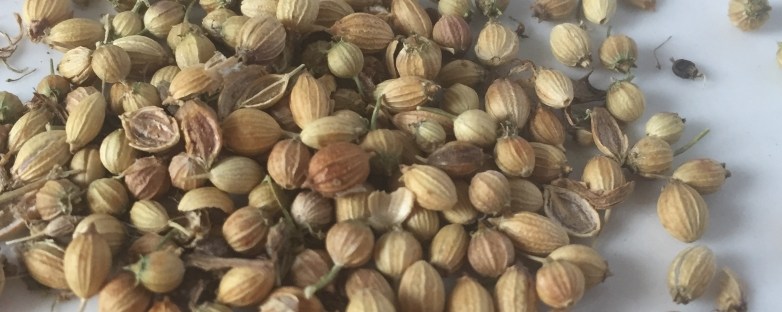
coriander seeds

Therapeutic Benefits of Coriander

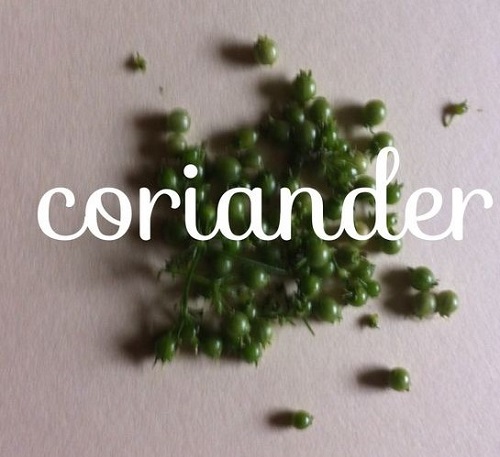
 Coriander (Coriandrum Sativum)

When I think about coriander the seed of the cilantro plant comes to mind.  Some of the research I read use the two words interchangeably. The Encyclopedia Britannica refers to it as Spanish cilantro. Native to the  Mediterranean and Middle East. Uses go back to Ancient Egypt and China.  “Records of the use of coriander date to 5000 bce (Before Common Era). The seeds are yellowish brown and have a mild, fragrant aroma and aromatic taste similar to a combination of lemon peel and sage. The seeds contain from 0.1 to 1 percent essential oil; its principal component is coriandrol.” (Encyclopedia Britannica)

A clinical study from Germany’s University of Hamburg Medical Center was made and confirmed that an ointment blended with six percent coriander seed oil helps treat athlete’s foot.( Mercola.com)

Fresh cilantro leaves helps to detox heavy metals from the body.

Aphrodisiac– Stimulates sexual desire. Should I say more?

Anti-bacterial and anti-fungal inhibits the growth of bacteria and yeast. Prevents bad breath. Coriander essential oils can reduce infection significantly.

Antimicrobial– Coriander has strong antimicrobial effects against food born pathogens. By adding a little  coriander seeds, powder or cilantro to each meal, you’re protecting yourself and your family against food poisoning.

Carminative and Digestive– Relieves flatulence and stomach aches.

Analgesic– Pain relief. It’s also known to help with urinary treat infections and the pain associated with it.

Stimulant– Makes you more active, gives you more energy.

Anti-spasmodic– Relieves or prevents muscle spasm.

Mental/Emotional Uses- It has a calming effect. Has a spiritual influence. Improves memory. Speeds up healing process, promotes confidence and motivation, promotes feeling of security.

Cautions – Not during pregnancy. Not on sensitive skin. Don’t use coriander essential oil on children under three years old. The whole or powdered seeds in foods are fine.

Latest Research– Studies have shown that coriander has anti-cancer affects – can inhibit heterocyclic amine (HCA) formation in meats during cooking. Reported by The American Journal Clinical Nutrition.  Coriander is  high in carotenoids (antioxidant abilities) , lowers blood sugar according two studies published in the Journal of Food Science. “It works both by enhancing the secretion of insulin from the pancreas and exhibiting insulin-like activity at the cellular level. You can combine two to three drops of coriander essential oil with a carrier oil and put it on the soles of your feet daily”. Researchers say it may prevent neurological inflammation and disease. this super herb also lowers blood pressure and cholesterol. Dr. Axe

Whether you buy the seeds, powder, essential oil( always dilute the oil, consult your local aromatherapist) or fresh cilantro, all forms of this amazing herb has numerous health benefits.

Reference:

Schnaubelt, Kurt, Advanced Aromatherapy: The Science of Essential Oil Therapy,Rochester,Vermont, Healing Arts Press,1998.

Keim-Loughran, Joni & Ruah Bull, Aromatherapy Anointing Oils:Spiritual blessings, Ceremonies & Affirmations, CA, Berkeley , Frog Books, 2001.

https://www.britannica.com/plant/coriander

http://articles.mercola.com/herbal-oils/coriander-seed-oil.aspx

http://www.experience-essential-oils.com/coriander-essential-oil.html

http://www.botanical.com/botanical/mgmh/c/corian99.html

http://www.medicalnewstoday.com/articles/299739.php

http://universityhealthnews.com/daily/heart-health/coriander/

https://draxe.com/coriander/

coriander seeds

Essential Oil Profile: Coriander

coriander1

Latin Name: Coriandrum sativum

Family: Apiaceae

Plant Part: Seed/Fruit

Method of Extraction: Distillation

Note/Element: Note: Top Element: Earth

Functional Groups: Aldehyde (relieves stress & promotes relaxation), Alcohol (high resistance to oxidation), Ketone (stimulates cell regeneration, liquefies mucous), Ether( useful as solvents for fats, oils, waxes, and perfumes).

 Type: Stimulating, Cooling

Ayurvedic Dosha: Pitta, Kapha

Scent: Spicy, fresh, penetrating, sweet, woody.

For Skin Type: None

Cautions: Not during pregnancy. Not on sensitive skin.

Physical Uses: Indigestion, nausea, appetite stimulant. Muscle and joint pain. Aides circulation. Colds and flu.

Mental/Emotional Uses: Nervous tension, stress, exhaustion, mental clarity, confidence, apathy

Other Uses: Aphrodisiac. Useful in roll-on or spray deodorants.

Blends Well With:  Flower, Fruit, Spice, Root and Wood Oils.

Possible Substitutions: Cilantro(leaves of Coriandrum sativum), Cardamom, Cumin, Ginger

References:

 Katherine Graf: Aroma Studio: Aromatherapy Home Study Certification Foundation Level, 2001-2011.

http://www.experience-essential-oils.com/chemistry-of-essential-oil.html

https://www.britannica.com/science/ether-chemical-compound

http://articles.mercola.com/herbal-oils/coriander-seed-oil.aspx

For educational purposes only. This information has not been evaluated by the Food and Drug Administration.This information is not intended to diagnose, treat, cure, or prevent any disease.

Why Clove Oil?

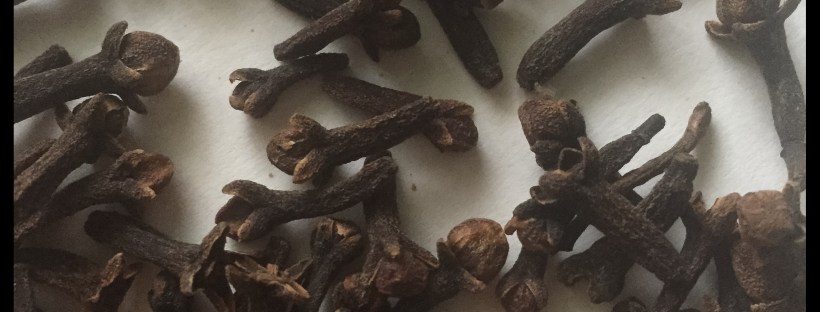
Clove essential oil is steam distilled from the dried flower bud of the evergreen tree. The clove tree originates from  India and Indonesia. The first documentation came from the Chinese in 207 B. C. Today it’s grown in Madagascar, Brazil, West Indies, Sri Lanka and India(tropical environments),Kenya and Malaysia . The health benefits from this spice are numerous. Clove oils is antimicrobial, anti-fungal, anti-bacterial, antiseptic, antiviral, aphrodisiac and stimulating properties. Clove contains many minerals like calcium, iron, potassium, vitamin A and C and fiber. Clove contains eugenol a powerful compound that destroys harmful organisms.

Health Benefits of Clove:

Infections: It’s antiseptic qualities heals cut & wounds.

Dental Care: It’s used in toothpaste, mouthwash and medicinally.

Skin Care: Helps with wrinkles, acne by increasing blood flow.

Immune System: Immune booster, antiviral, cleans the blood and helps improve the cardiovascular system.

Headaches: Anti-inflammatory and clove is used as a pain reliever. It helps with muscle and joint pain.

Respiratory:As an expectorant and its anti-inflammatory effects helps with coughs, clear nasal passages and other respiratory issues like bronchitis. sinusitis, sore throats etc.

Blood Circulation: Clove oil stimulates blood circulation assist in lowering blood pressure. It also reduces toxicity in the blood therefore purifying it.

Sty: It’s antibacterial qualities clears infections.

Cholera: Clove is known to help with cholera.

Diabetes:Purifies the blood and controls the level of blood sugar.

Soaps & Perfumes: Used in soaps for its antiseptic qualities and to scent perfumes.

Aromatherapy: Diffusing clove oil is excellent for cleaning the air because it’s anti-bacteria, antimicrobial and antiviral. It’s excellent for cleaning the bathroom and kitchen. I use a 50:50 vinegar and water solution, add clove and tea tree oils.  Adding a few drops to a massage oil has many benefits. It’s helps with sore and painful muscles, blood flow.Dilution rates are very important, check with a certified aromatherapist before using essential oils.

Insect Repellent: Clove oil is also known to be an insect repellent.

Cautions:

Clove oil is very strong therefore it must be diluted. Pregnant women should not use the oil because you could transfer it when breast-feeding. The eugenol is so strong we must use caution, it’s best not to use on children. You can diffuse small amounts. If you have high blood pressure consult your physician before use. I never advise ingesting the essential oil. A great alternative is to use the spice in your foods and smoothies especially during the cold & flu season.

As you can see, clove oil should be a staple in every home. The oil or spice with all it many therapeutic benefits can assist us to heal our bodies naturally.

  References:

OrganicFacts.com

GlobalHealingCenter.com

AromWeb.com

botanical-online.com

Essential Oil Profile: Clove Bud

Clove Bud (Eugenia caryophyllata)

Latin Name: Eugenia caryophyllata

Family: Myrtaceae

Plant Part: Blossoms

Method of Extraction: Distillation

Note/Element: Note: Top/Middle. Element: Fire.

Strength: Strong

Functional Group: Sesquiterpene, ester, phenol, oxide

Type: Stimulating, warming

Ayurvedic Dosha (Balances): Kapha (caution, sensitizing and irritating)

Scent: spicy, sweet, woody and penetrating

For Skin Type: None

Cautions: Not during pregnancy. Irritating. Use highly diluted. Skin sensitizing. Do not use with high blood pressure. Never with children.

Physical Uses: Warming, infection, colds, flu, cough, toothache, sore muscles and joints, strains, rheumatism, bronchitis, aid in cardiovascular (blood circulation) and immune  system function & asthma.

Mental/Emotional Uses: Revitalizing, mental clarity, fatigue, studying(use in diffuser).

Other Uses: Christmas scent, perfumery,disinfectant, insect repellent.

Blends Well With: Flowers, spices, citrus, woods, roots and resins.

Possible Substitutions: Cardamom, Cinnamon

Reference:

Katherine Graf:Aroma Studio:Aromatherapy Home Study Certification Advanced Level, 2001-2011.

http://www.aromaweb.com/essential-oils/clove-bud-oil.asp

http://www.essentialoils.co.za/essential-oils/clove.htm

http://www.cloveessentialoils.com/

The Power of Clary Sage

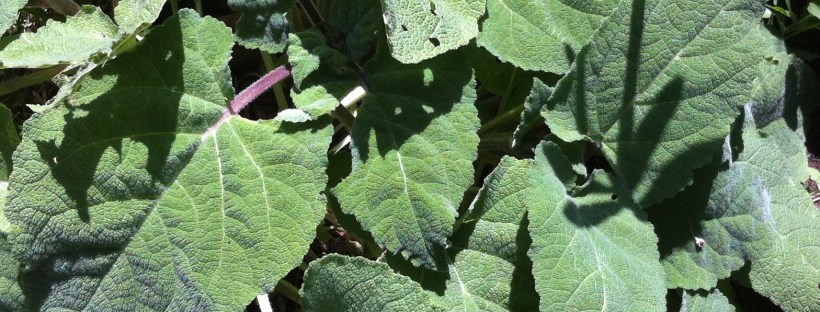
Clary Sage (Salvia sclarea)

History: The Romans called it sclarea, from claurus, or “clear,” because they used it as an eyewash. The practice of German merchants of adding clary and elder flowers to Rhine wine to make it imitate a good Muscatel was so common that Germans still call the herb Muskateller Salbei and the English know it as Muscatel Sage. Clary sometimes replaced hops in beer to produce an enhanced state of intoxication and exhilaration, although this reportedly was often followed by a severe headache. It was considered a 12th century aphrodisiac.-Susun Weed

In Jamaica, it was used among the local people for cleaning and cooling ulcers and for inflammation of the eyes.- http://www.essentialoils.co.za/essential-oils/clary-sage.htm

Clary sage Salvia sclarea essential oil has extraordinary healing powers, especially for women. During my research of clary sage I learned how truly important it is. I use the essential oil in my body wash because it’s an anti-depressant and I love the deep sweet/herbaceous scent. After taking a shower with my body wash I want you clean and happy. Keep reading it gets better.

Clary sage therapeutic properties are:

Antidepressant, anti-convulsive, antispasmodic, antiseptic, aphrodisiac, astringent, bactericidal, carminative, deodorant, digestive, emmenagogue, euphoric, hypotension, nervine, sedative, stomachic, uterine and nerve tonic.

Antibacterial: Kills bacteria and fungi, particularly infections of the colon, intestines, urinary tract and excretory system.

Anti convulsive: reduces convulsions, calms the nervous system

Antidepressant: It helps with clarity, uplifting, reduces stress and improves the mood. Encourages hope, confidence and mental strength.

Antiseptic: Keep wounds from becoming septic, protects against tetanus.

Antispasmodic: Useful in the treatment of spasms, muscle, respiratory, coughs, headaches.

Aphrodisiac: Reduces frigidity and impotency.It’s said that the plant offers euphoric sensations, increasing joy, confidence and even sexual drive while combating stress and depression.

Deodorant: Clary Sage oil in diluted form, it serves as an efficient deodorant without any side effects. It’s effects last a long time.

Digestive: It boosts the secretion of gastric juices and bile, thereby speeding up digestion and easing the process, which relieves cramping, bloating, and abdominal discomfort.

Hypotension: Clary Sage oil is very effective in reducing blood pressure by relaxing the veins and arteries. It widens the blood vessels and allows for increased circulation, resulting in increased oxygenation to the muscles and organ systems, boosting their performance and your overall metabolic performance.

Nervine: It sedates nervous and other disorders  like nervousness, vertigo, anxiety, and hysteria.

Sedative: It’s calming, helps you relax, reduces inflammation.

Skin care: Clary sage is great for acne. Calming and soothing to the skin. Eczema is soothing to the skin and can reduce irritation.Strengthens skin and gums. Combined with a carrier oil, like jojoba, it can be used on larger areas of the skin to reduce wrinkles and improve tone and texture. Also promotes healthy hair and scalp.

Stomachic: Maintains health of stomach.

Uterine: It prevents uterine problems that women have after menopause, including uterine tumors, bleeding, and pain. It regulates hormones like estrogen and ensures long-term health of the uterus.

                                                                                         photo from Fordville Gardens

 Cautions:

Clary sage oil can be very relaxing and should be avoided when consuming alcohol, since it could exaggerate the effects of alcohol. It is a non-toxic, non-sensitizing oil, but can in large doses generate a headache and must be avoided during pregnancy.

Reference:

http://www.essentialoils.co.za/essential-oils/clary-sage.htm

http://www.susunweed.com/Article_ClarySage.htm

http://www.sustainablebabysteps.com/clary-sage-oil.html

Lawless, Julia. The C0mplete Illustrated Guide to Aromatherapy.Great Britain: Element Books Limited,1997.
Health Benefits of Clary Sage Essential Oil

Essential Oil Profile: Clary Sage

Clary Sage

Latin Name: Salvia sclarea

Family: Lamiaceae(Labiatae)

Plant Part: Flower/buds,sometimes leaves

Method: Distillation

Note/Element: Note:Top/ Middle. Element: Wood.

Functional Groups: Alcohol, Ester

Type: Euphoric

Ayurvedic Dosha (Balances): Vata, Pita, Kapha

Scent: Hay-like, herbaceous,tea-like,bitter-sweet floral, musky

For Skin Type: Oily, Mature

Cautions: Not during pregnancy, not w/alcohol use. Avoid w/estrogen dependent conditions such as endometriosis, cysts, and cancers.

Physical Uses: Menstrual cramps, menopause, amenorrhea(an abnormal absence of menstruation), labor, indigestion, sore muscles, dandruff, digestion, lower blood pressure, headache relief

Mental/Emotional Uses: PMS, depression, stress, tension, postpartum depression, inspiration

Other Uses: Aphrodisiac, alcohol addiction

Blends Well With: Flowers, peel- Bay, bergamot, black pepper, cardamom, cedarwood, chamomile, coriander, cypress, frankincense, geranium, grapefruit, jasmine, juniper, lavender, lemon balm, lime, mandarin, patchouli, petitgrain, pine, rose, sandalwood, tea tree

Possible Substitutions: Chamomile Roman

                                                                                                             Photos-Fordville Gardens

References:

Katherine Graf:Aroma Studio:Aromatherapy Home Study Certification Foundation Level, 2001-2011.

https://www.mountainroseherbs.com/products/clary-sage-essential-oil/profile

The Health Benefits of Clary Sage Essential Oil

http://www.aromaweb.com/essential-oils/clary-sage-oil.asp

For educational purposes only. This information has not been evaluated by the Food and Drug Administration.This information is not intended to diagnose, treat, cure, or prevent any disease.

Peppermint Refresher

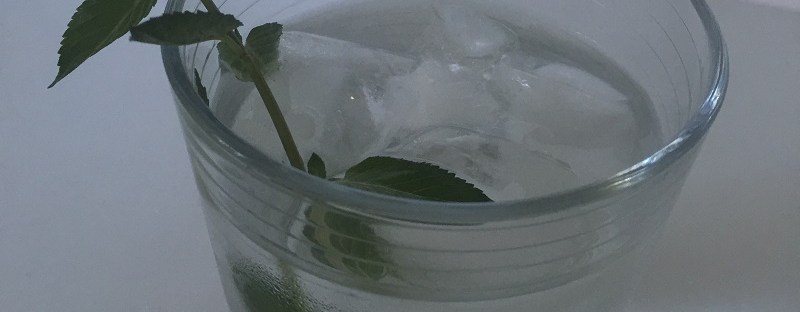
I love making ice cubes in ice trays, Martha Stewart says they last longer. Well a few days ago I was emptying the cubes in my freezer bag and I noticed they smelled stale. I added one drop of peppermint essential oil to the bag. Yesterday I added a few cubes to my blend of Earl Grey & Red Zinger sun tea. My ice cubes added the perfect mint essence using only one drop of oil. Today I added the mint cubes to my water and voila! I created a refreshing beverage. Sky’s the limit now ya’ll! Have a fantastic day!

AromaAngie

Health Benefits of Citronella Essential Oil

Cybopogon nardus /Cybopogon winterianus

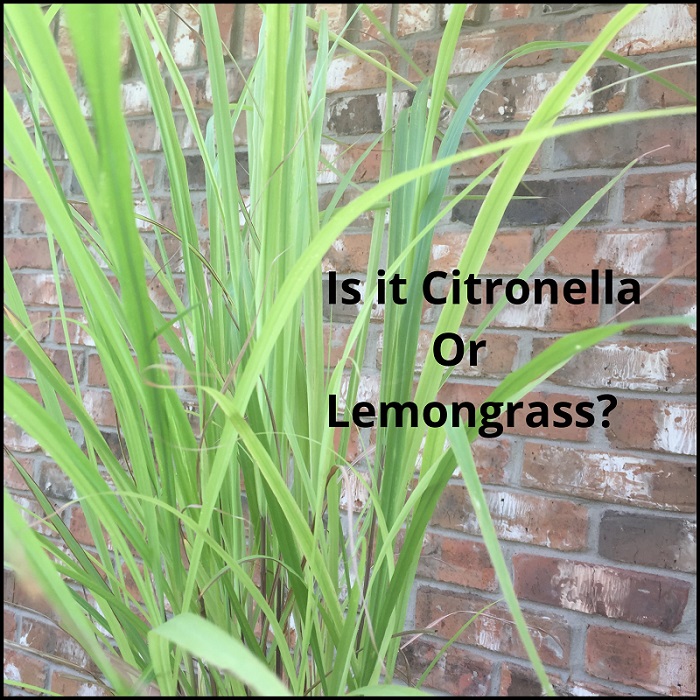
The citronella plant is a grass, there are two species or varieties, usually from South Asia. Their Latin names are Cybopogon nardus and the Java variety Cybopogon winterianus. Lemongrass is their cousin, Cymbopogon flexuosus. Knowing a plants Latin name is very important. Let me tell you why. The plant that you purchase from the garden center is Pelargonian citrosum or citrosa geranium also known as the mosquito plant. It is ineffective against mosquitoes, sorry but it smells great. The next time you’re in the garden center looking for plants that repel mosquitoes look for the genus Cymbopogon, and the species nardus or winterianus. Citronella’s cousin lemongrass also repels mosquitoes the genus is the same, Cymbopogon it’s species is flexuosus. Both plants look the same. The essential oil from the fresh citronella plant is extracted by steam distillation. Citronella essential oil is medicinal, it has many health benefits.

File Jul 16, 5 32 04 PM

Antibacterial: Kills bacteria and inhibits it’s growth.

Antidepressant:Helps with depression, mental fatigue and it’s emotionally uplifting.

Antiseptic: Fights infections.

Antispasmodic: Relieves spasms of the muscle, respiratory system and nervous system.

Anti-inflammatory: Sedates inflammation.

Deodorant: The citrus in this oil drives away body odors.

Diaphoretic: Increases sweating; therefore releases toxins from the body.

Diuretics: increases the frequency of urination, and disposes of waste products and toxins.

Febrifuge: Fights fever and decreases body temperature, because it’s anti inflammatory,

increases perspiration and antimicrobial.

Fungicidal: Citronella kills fungus and inhibits its growth.

Insect repellent:Kills and keeps away insects, including mosquitoes.

 Stomachic: Clears stomach of infections, helps it function properly.

Stimulant: Has a toning effect on the  entire body, stimulates metabolism, circulatory and nervous system.

Reference:

https://auntiedogmasgardenspot.wordpress.com/2013/06/14/garden-myth-citronella-geranium-vs-5-easy-to-grow-mosquito-repelling-plants-that-work/

Health Benefits of Citronella Essential Oil

Katherine Graf:Aroma Studio:Aromatherapy Home Study Certification Advanced Level Level,2001-2011.

Save

Save

Essential Oil Profile: Citronella

Latin Name: Cymbopogon winterianus

Family: Poaceae (Gramineae)

Plant Part: Leaves (some include stems)

Method: Distillation

Note/Element: Note: Top Element: Wood

Functional Groups: Alcohol, Ester, Aldehyde

Type: Stimulating

Ayurvedic Dosha (Balance): Pitta, Kapha

Scent: Lemony, slightly fruity

For Skin Type: Oily

Cautions: Not during pregnancy;skin sensitizing; do not take orally.

Physical Uses: Colds, flu, cooling, perspiration, sore muscles and joints, toothaches, digestive issues, rheumatism, fatigue anti bacterial, oily skin and fungal.

Mental/Emotional Uses: Mental fatigue, emotionally uplifting, calmness.

Other Uses: Insect repellent for flying insects, especially mosquitoes. apply a drop to a bandana to ward off insects or add 15 drops to 1 ounce witch hazel spray.

Blends Well With: Grasses, citrus, lavender, roots and wood.

Possible Substitutions: Lemongrass or eucalyptus lemon( Eucalyptus citriodora)

IMG_5450

                                                                                             photo from ls-naturals.com

References

Katherine Graf:Aroma Studio:Aromatherapy Home Study Certification Advanced Level Level,2001-2011.

http://ayurvedicoils.com/tag/health-benefits-of-citronella-essential-oil

http://www.aromaweb.com/essential-oils/citronella-oil.asp

Citronella Essential Oil