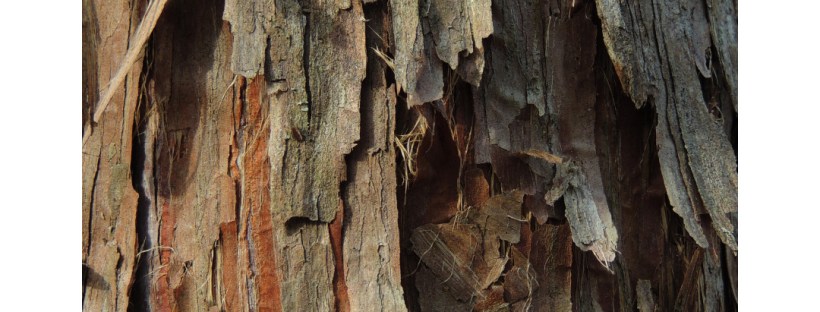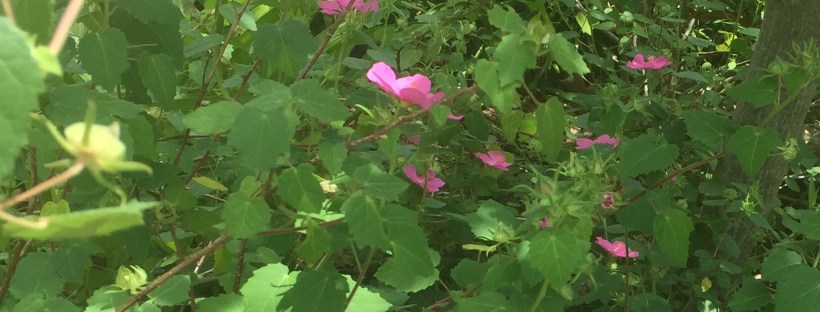
Essential Oil Profile: Cistus (Labdanum , Rock Rose)

Essential Oils Profile: Cistus (Labedamum , Rock Rose

Latin Name: Cistus ladaniferus

Family: Cistaceae

Plant Part: Leaves

Method:Distillation

Typical Country: Portugal, Spain

Note/Element: Note:Middle/Base. Elements: Metal

Functional Groups: Terpene, alcohol, ester, phenol, aldehyde, keytone

Type: Relaxing

Ayurvedic Dosha( Balances): Vata, Pitta

Scent: Sweet,herbaceous, floral overtones, warm, amber

For Skin Type: Dry, mature, sensitive

Cautions: Do Not Use During Pregnancy

Physical Uses: Cuts, slows bleeding in cuts, paper cuts, scars, mature skin, colds, flu,       cough

Mental/Emotional Uses: Nervousness, insomnia, trauma, anxiety, PMS/PMT, adictions,

aromatherapy ‘s “rescue remedy”,soothing, calming, meditative

Other Uses: Combine with Rosa rubiginosa for mature skin, fine lines, scars or

wrinkles, Excellent for perfumes

Blends Well With: Citrus, flowers, resins, woods, geranium, rose, rose geranium

Possible Substitutions: Myrrh(for skin healing), Geranium Rose, (for scent)


References:

Katherine Graf:Aroma Studio:Aromatherapy Home Study Certification Advanced Level Level,2001-2011.

http://www.ingredientstodiefor.com/item/Rock_Rose_Cistus_Essential_Oil/1119

DISCLAIMER: This article is for informational purposes only.  It is not intended to treat, diagnose, cure or prevent disease. Always consult your physician before making any significant changes to your health and wellness routine.
Health Benefits of Cinnamon Powder, Sticks and Cinnamon Essential Oil

First of all let me begin by saying cinnamon is very strong, you must use caution when using it.

Cinnamon comes from the bark of several varieties of the evergreen trees that belongs to the genus Cinnamomum. The cinnamon essential oil Cinnamomum zeylanicun is distilled from the bark,stems and/or leaves( Cinnamomun verum) .The essential oil distilled from the bark is concentrated or very strong and very expensive. As aromatherapist we usually use cinnamon essential oils from the leaf, Cinnamomum verum it’s less expensive and it’s not as strong as the bark. All cinnamon essential oils must be diluted. I never recommend ingesting essential oils. We’ll leave that to the spice. You can use a small amount on the skin, but it is best to consult a certified aromatherapist for dilution rates. It’s best to just diffuse it or add a few drops to your vinegar and water (1:2) cleaning solutions, it’s anti-microbial.  The scent is amazing.The peppery, spicy and earthy scent is wonderful. I have a story. One afternoon I added a few drops to the diffuser. I kept getting up from the computer and I could not stay focused. But when I got up I was just walking in circles, I couldn’t understand what was going on. It finally came to me, I was looking for that cinnamon candy my mom always had in her purse. You guys know the ones from the Brach’s candy station in the local grocery store. Essential oils effects the body, mind and spirit. I receive little signs all the time letting me know to keep studying these amazing essential oils.

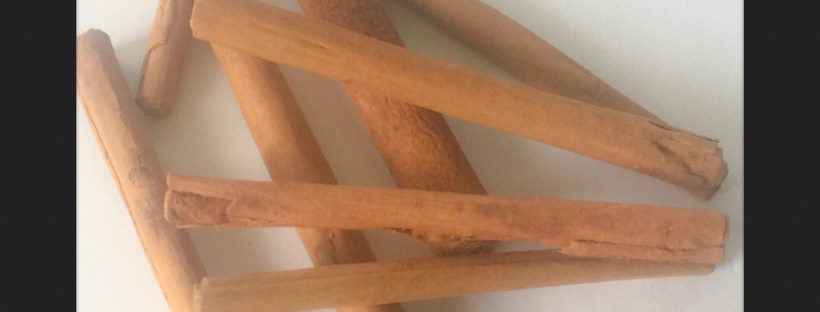
Cinnamon sticks and powder are usually from the bark of the evergreen Cinnamomum cassia.

Cassia (Cinnamomum cassia): also known as “Chinese Cinnamon”, is what is usually sold as cinnamon in US stores. The US Food, Drug and Cosmetic Act of 1938 permits spice traders to label cassia as cinnamon. – See more at: http://healthimpactnews.com/2014/using-cinnamon-and-cinnamon-oil-to-cure-disease/#sthash.rAxhTyxv.dpuf
 Use the powder (spice) in your foods, add a stick to your favorite tea. You can simply add a teaspoon or two to water put it in a pot and let it simmer on a low heat. It’s aroma will scent and clean the air at the same time. And inhaling it will enter your lungs and you will receive the benefits just by breathing in this wonderful spice.

Cinnamon is known to:

Lower blood sugar

Lower blood pressure

Destroy bacteria and viruses

Assist in weight loss

Help with circulation

Help with digestion

It helps repel insects

Rheumatism

Stress

Aphrodisiac

In addition to being an antioxidant, anti-inflammatory, anti-diabetic, antimicrobial, anticancer, lipid-lowering, and cardiovascular-disease-lowering compound, cinnamon has also been reported as useful for metabolic syndrome, insulin sensitivity, polycystic ovary syndrome, increasing lean body mass, and gastric emptying. It is useful against neurological disorders, such as Parkinson’s and Alzheimer’s diseases. – See more at: http://healthimpactnews.com/2014/using-cinnamon-and-cinnamon-oil-to-cure-disease/#sthash.rAxhTyxv.dpuf
Cinnamon in all it’s  forms, powder, stick or essential oil should be included in every ones household. It’s great for the body, mind and spirit and has been used for thousands of years in almost every part of the world. Should I say more?
AromAngie
References
Lawless, Julia, The Complete Illustrated Guide to Aromatherapy, G Britain, ELEMENT BOOK INC.1997 , pp. 184
DISCLAIMER: This article is for informational purposes only.  It is not intended to treat, diagnose, cure or prevent disease. Always consult your physician before making any significant changes to your health and wellness routine.

Essential Oil Profile: Cinnamon

Latin Name: Cinnamomum verum

Family: Lauraceae

Plant Part: Leaf, Bark

Method: Distillation

Note/Element: Note:Top (Leaf), Middle/Base (Bark), Element: Fire

Functional Group: Alcohol, Ester, Phenol, Aldehyde

Type:Stimulating

Ayurvedic Dosha (Balances): Vata(not for use on skin, irritating), Kapha (not for use on skin, irritating)

Scent: Rich, Sweet, Spicy, Sharp, Penetrating

For Skin Type: None (irritating)

Cautions: Not during preganancy. beware: irritating to the skin.

Physical Uses: Colds, flu, cough, nausea, digestion, infection (via diffusion), tonic

Other Uses: Christmas scent, candles, potpourri

Blends Well With: Citrus, lavender, spices, woods, patchouli, rose, roots

Possible Substitutions: Clove, cardamon

Resources:

Katherine Graf:Aroma Studio:Aromatherapy Home Study Certification Advanced Level

http://www.essentialoils.co.za/essential-oils/cinnamon-leaf.htm


Health Benefits of Chamomile

Chamomile Roman-Anthemis Nobilis

Antiseptic & Antibiotic

Anti-inflammatory

Brings a sense of calmness

Helps with Colic

Depression

Earaches

Headaches

Insect Bites

Lowers Blood Pressure

Supports Liver

Supports Digestion

Helps Rheumatism & Arthritis

Great for the Skin

Reduces Pain in Muscles and Joints

Great for children issues

& many more………

As you can see Chamomile should be apart of every house hold,  it’s especially good for children.

AromaAngie

References:

Health Benefits of Camomile Essential Oil

http://www.sustainablebabysteps.com/roman-chamomile-essential-oil.html

http://www.aromaweb.com/essential-oils/roman-chamomile-oil.asp

Disclaimer

This information is for educational purposes only, it is not intended to treat, cure, prevent or, diagnose any disease or condition. Nor is it intended to prescribe in any way. This information is for educational purposes only and may not be complete.

As with all essential oils, never use them undiluted. Do not take internally unless working with a qualified and expert practitioner. Keep away from children. If applying an essential oil to your skin always perform a small patch test to an insensitive part of the body (after you have properly diluted the oil in an appropriate carrier.

Essential Oil Profile:Chamomile Roman

Chamomile Roman

Latin Name: Anthemis nobilis

Family: Asteraceae (Compositae)

Method: Distillation

Plant Part: Flower/Buds

Note/Element: Note: Middle Element: Wood

Functional Groups: Alcohol, Ester

Type: Relaxing

Ayurvedic Dosha (Balances): Vata, Pitta

Scent: Apple-like, herbaceous, hay-like, fruity, sweet, crisp

For Skin Type: Dry

Cautions: Not during pregnancy. Not for those with ragweed/aster/chrysanthemum allergy: contact dermatitis or severe breathing problems could occur. DO NOT use if a chamomile allergy is suspected.

Physical Uses: Digestion, colic, menstrual cramps, inflammation, sunburn, burn, rashes, insomnia, bee sting, insect bite, sore muscles & joints, headache, sores, sprains, stress, hair, arthritis.

Mental/Emotional Uses: Calming, PMS, anger, stress, anxiety, fear, tantrums, tension

Other Uses: Children -great for healing the skin

Blends Well With: Flower, peel, Wood,lavender

Possible Substitutions: Chamomile German, Lavender

References:

Katherine Graf:Aroma Studio:Aromatherapy Home Study Certification Foundation Level

http://www.mountainroseherbs.com/products/chamomile/blue/essentia-oil/profile

http://aromaweb.com/essential-oils/roman-chamomile-oil.asp

Chamomile

Essential Oil Profile:Chamomile blue

Chamomile Blue Chamomilla matricaria

Latin Name: Chamomilla matricaria (Matricaria recutita)

Family: Asteraceae(Compostitae)

Method: Distillation

Plant Part: Blossoms

Note/Element: Note: Middle  Element: Wood.

Functional Groups: Sesquiterpene (high in Chamazulene), Oxide, Alcohol, Coumarin

Type: Relaxing

Ayurveda Dosha: Vata, Pitta

Scent: Floral, Herbaceous, Sweet

For Skin types: Sensitive,Dry

Cautions: Not during pregnancy. Not for those with Ragweed allergy: contact dermatitis or severe breathing problems could occur. DO NOT use if a chamomile allergy is suspected.

Physical Uses: Rash, acne, skin inflammation, and joint pain. Menstrual or stomach cramps, indigestion, insomnia, Soothes labor pains. PMS/PMT,fades scars and spots.

Mental Emotional Uses: Depression, anxiety, stress, anger. Soothes cranky children.

Other Uses: Can add a blue color.

Blends Well With: Benzoin, bergamot, citrus oils, clary sage, frankincense, geranium, jasmine, lavender, marjoram, neroli, patchouli, rose, rosemary, tea tree, ylang ylang

Possible Substitutions: Chamomile Roman, Chamomile Atlas,(Tanacetum annum), Yarrow blue

References

Katherine Graf:Aroma Studio:Aromatherapy Home Study Certification Master Level

http://www.mountainroseherbs.com/products/chamomile/blue/essentia-oil/profile

Health Benefits of Camomile Essential Oil

Essential Oil Profile: Cedarwood Atlas

Cedarwood Atlas

Latin Name: Cedrus atlantica

Family: Pinaceae

Plant Part: Wood

Method Of Extraction: Distillation

Note/Element: Base/Water

Functional Groups: Alcohol, Ketone, Sesquiterpene

Type: Relaxing

Ayurvedic Dosha (Balances): Vata, Kapha

Scent: Sweet, woody, smoky

For Skin Types: Oily

Cautions: Not during pregnancy

Physical Uses: Cellulite, cough, water retention, dandruff, phlegm, sore muscles, bronchitis, cystitis, arthritis, rheumatism & acne.

Other Uses: Strengthening, centering, grief, stress, tension, fear, calming effect on the mind, nervous tension

Blends Well With: Flower, Peel, Resin, Wood

Possible Substitutions: Cedarwood Himalayan ( Cedrus deodora), Fokienia, Sandalwood

Reference:

http://www.aromaweb.com/essential-oils/atlas-cedarwood-oil.asp

http://www.essentialoils.co.za/essential-oils/cedarwood.htm

Katherine Graf:Aroma Studio: Aromatherapy Home Study Certification Foundation Level

The Prairie Tea Plant And My Great-Grandmother Ruth

Prairie Tea Croton monanthogynus Michx.

My aunts and uncle said her name was Ruth Alice Daleria Salili Jane Tucker. She taught them her entire name as children and said “never forget it”. We assumed it was the   name of her slave grandmothers, our family history. She was born in Oxford, Alabama to William (part Choctaw) and Alice Tucker. She moved to Dallas,Texas and married Charlie H. Smith. The dates are questionable that’s why they aren’t noted. Sadly this is the way it is in African-American families,we sometimes had to move around a lot. She passed away when I was 13, in 1972. She had three daughters, my grandmother Lucille Smith Lewis was born in 1913 she and my grandfather John Lewis had their first child my mother Lois Arnette Lewis Hayes in 1933. A little family history. Back to the story.

About ten years ago I was working in my garden in the front yard it was winter. The reason I know it was winter my hubby of thirty-two years had a nasty cold. Gardening is my favorite past time so I’m outside ever chance I get. I live in Texas so we can work outside practically year round. While I was working a scent hit me hard and heavy and I was knocked off my feet. Some describe it aroma like sage or marjoram, spicy and even sweet. I knew that scent, and it took only a few minutes to remember where I knew it from. My mother Ruth is what we called her, had given it to me as a kid in a tea. We had just moved to our new house, she was visiting I had to be about six years old ready for first grade. The lot next door was empty and the prairie tea plant was growing wild. She made a tea for me with honey. She also cut of white onion covered it with sugar and had me drink it. Her great grand-mother had probably given it to her as a child.  All those memories came pouring in my mind. I felt all kinds of emotions, happiness, sadness, excitement. My mother Ruth, was a grand great-grandmother and my mother adored her. She was the oldest member in the gospel choir. She and my paternal great-grandmother helped put the first bricks on our family church, Greater El Bethel Baptist Church over a century ago. She gave me the healing spirit. I can’t help but get emotional thinking of her. Ok again back to the story.

When I found the prairie tea-plant, I knew exactly what to do with it. Isn’t it amazing? I made a tea for my husband. And with his Arkansas heritage,( Washitaw Native American from his mom’s side of the family), he drank it without question. Suffice it to say his cold didn’t last long. This is just one example of the power of the sense of smell. The scent of the prairie tea-plant had been stored in the limbic system of my brain for over forty years.

It’s been coming up in my yard for years and I could never identify it. I’ve looked through many plants books.I searched online for native plants from Texas and could not find this plant. I’ve chosen the maceration process as my field of study in aromatherapy. Infusing plant material in oils. You not only receive the essential oils but medicinal compounds are also retrieved from the plants. Which make the oils double strength. I use these maceration’s in my natural products. Without a name I couldn’t use the prairie tea in my salves. The cold season is on its way and I’ll be ready this year with salves and tea for anyone that needs it. Thanks to Central Texas Gardener and David Hibbs my great-grandmother’s plant has been identified. They responded and within hours I had replies and a name. I love you guys. And my great-grandmother Ruth would be proud!

AromaAngie