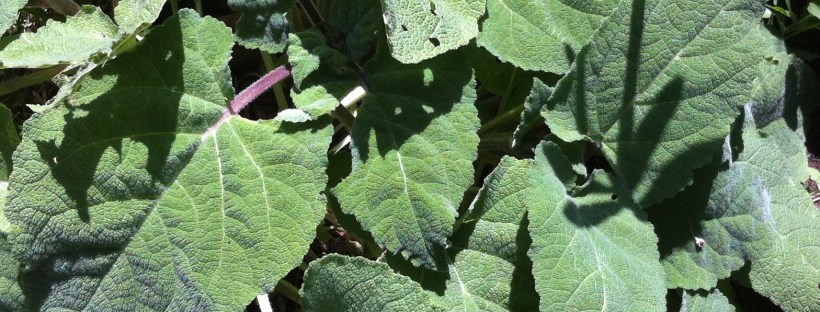
Essential Oil Profile: Eucalyptus Lemon

Latin: Eucalyptus citriodora

Family: Myrtaceae

Plant Part: Leaves

Method: Distillation

Note/Element: Note: Top/Element:Metal

Functional Groups: Aldehyde, Alcohol, Ester

Type: Refreshing, Calming

Ayurvedic Dosha: Vata, Kapha

Scent: Lemony, sweet, fresh woody hint

For Skin Type: Oily

Cautions: Not during Pregnancy or breast-feeding. Never take internally.

Physical Uses: Colds, flu, fever, cough, muscle & join pain, athlete’s foot, vaginitis, poor circulation, sinusitis and cold sores

Mental/Emotional Uses:  Use at nigh as alternative to stimulating Eucalyptus globulus

Other Uses: Insect repellent,deer tick bites

Blends Well With: Fruit, leaf, seed, spice

Possible Substitutions: Eucalyptus staigeriana, Lemon, Lemongrass, citronella

References:

http://articles.mercola.com/herbal-oils/lemon-eucalyptus-oil.aspx

https://www.aromaweb.com/essential-oils/lemon-eucalyptus-oil.asp

Katherine Graf:Aroma Studio:Aromatherapy Home Study Certification Foundation Level, 2001-2012.

http://www.webmd.com/vitamins-supplements/ingredientmono-1108-lemon%20eucalyptus.aspx?activeingredientid=1108&activeingredientname=lemon%20eucalyptus


Essential Oil Profile: Eucalyptus

Latin Name: Eucalyptus globulus

Family: Myrtaceae

Plant Part: Leaf, Young twigs

Method: Distilled

Note/Element: Note: Top/Element:Metal

Functional Group: Oxide, Terpene

Type: Stimulating

Ayurvedic Dosha: Kapha 

Scent: Camphorous, woody, medicinal, fresh

For Skin Type: Oily

Cautions: Not with pregnancy or high blood pressure. Never take internally. Not with homeopathy, Not for babies. Not for children under 10 years.

Physical Uses: Expectorant, mucus, bactericidal, anti-fungal, antiviral, colds, flu, cough, fever, muscle pain and joint pain, insect repellent and insecticide, stimulates the immune system, arthritis diabetes, upset stomach.

Mental/Emotional Uses: Metal clarity, clearing the mind, opening, energizing.

Other Uses: Sickroom diffusion, cools a room via diffusion.

Blends Well With: Leaf, Needles, Peel, mints

Possible Substitutions:  Eucalyptus radiata, Eucalylptus smithii, Eucalyptus dives ,Rosemary


References:

Katherine Graf:Aroma Studio:Aromatherapy Home Study Certification Foundation Level, 2001-2011.

https://www.aromaweb.com/essential-oils/eucalyptus-oil.asp

http://www.botanical.com/botanical/mgmh/e/eucaly14.html

http://www.floracopeia.com/Essential-Oils/essential-oils-sub/organic-eucalyptus-oil-dives.html

http://www.medicalnewstoday.com/articles/266580.php


For educational purposes only. This information has not been evaluated by the Food and Drug Administration.This information is not intended to diagnose, treat, cure, or prevent any disease.


Essential Oil Profile: Elemi

Endangered or Declining

Latin Name: Canarium luzonicum

Family: Burseraceae

Plant Part: Resin

Method: Distillation

Note/Element: Note: Base, Middle/ Element: Metal

Functional Group: Sesquiterpene, Terpene, Alcohol, Phenol

Type: Uplifting, Balancing, Drying

Ayurvedic Dosha: Vata, Kapha

Scent: Fresh, Spicy, Lemony, Exotic, Peppery

For Skin Type: Mature

Cautions: Not during pregnancy

Physical Uses: Congestion, colds, dry coughs, dry throat, cough with mucous, weepy cuts, fine lines & wrinkles, great for mature skin, overexerted muscles.

Mental/Emotional Uses: Stress, Depression, exhaustion, soothes emotional wounds. Heals body, mind & spirit,  meditation oil.

Other Uses: Perfumery fixative.

Blends Well With: Flower, Spice, Fruit, Resin, Root, Seed Oils.

References:

http://www.floracopeia.com/Essential-Oils/essential-oils-sub/elemi-essential-oil.html

https://www.aromaweb.com/essential-oils/elemi-oil.asp

Katherine Graf:Aroma Studio:Aromatherapy Home Study Certification Master Level, 2001-2011.

http://essentialoils.co.za/essential-oils/elemi.htm

http://www.your-aromatherapy-guide.com/elemi-essential-oil.html


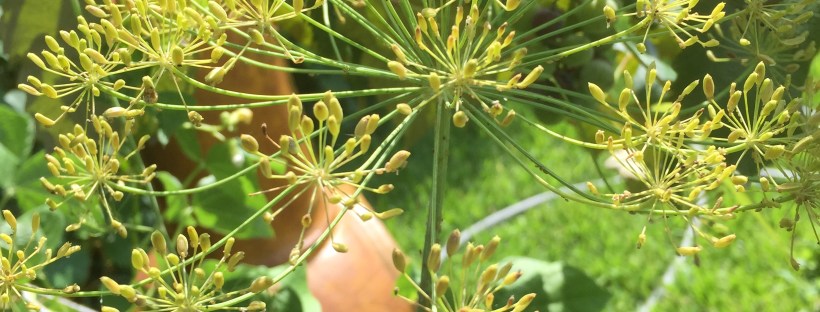
Essential Oil Profile: Dill

Anethum graveolens

IMG_2784

                                                                                     Photo from Fordville

Latin Name: Anethum graveolens  

Family: Apiaceae (Umbelliferae)

Plant Part: Seed

Method: Steam Distilled

Note/Element: Note: Top/Middle. Element: Earth

Functional Groups: Ketone, Terpene

Type: Euphoric, stimulating

Ayurvedic Dosha: Kapha

Scent: Herbaceous, sweet, spicy, fresh, slightly earthy& peppery.

For Skin Type: None

Cautions: Not During Pregnancy or Breastfeeding, Not With Children, HIGH ketone content. May cause skin irritation. Do not take oils internally or use undiluted.

Physical Uses: Indigestion, nausea, vomiting, dry heaves, flatulence, amenorrhea, scanty menstrual flow, colic, anti-fungal.

Mental/Emotional: Apathy, reviving, clearing, tonic, helps with anxiety, tension and anger .

Other Uses: Used mainly in the flavoring industry.

Blends Well With: Fruit, Seed, Spice & Citrus.

Possible Substitutions: Dill weed, Anise, Angelica seed, Caraway seed

References:

Lawless, Julia, The Complete Illustrated Guide to Aromatherapy, Shaftesbury, Dorset, Element Books, 1997.

Katherine Graf:Aroma Studio:Aromatherapy Home Study Certification Master Level, 2001-2011.

https://www.aromaweb.com/essential-oils/dill-oil.asp

https://www.organicfacts.net/health-benefits/essential-oils/dill-essential-oil.html

https://www.ncbi.nlm.nih.gov/pubmed/24742834

Essential Oil Profile: Cypress Blue

Blue Cypress(Callitris intratropica)

Latin Name: Callitris intratropica

Family: Cupressaceae

Plant Part: Twigs or Wood

Method: distillation

Note/Element: Note:Top/Middle Element: Wood, Metal

Functional Groups: Terpene, alcohol, lactone and ketone.

Type: Relaxing

ayurvedic dosha (Balances): Pitta

Scent: Sweet, woody, slightly floral, slightly smoky, fruity, notes of lemon and cedar.

For Skin Type: Sensitive

 Cautions: Not during pregnancy.

Physical Uses: Inflammation, warts, burns, rashes, cuts, paper cuts, sore muscles and joints, insect bites, psoriasis, skin moisturizer.

Mental/Emotional Uses: Soothing, centering, balancing and grounding, stress, anger, developing intuition, releases pessimism, helps us to feel empowered,

Other Uses: Insect repellent, men’s aftershave, meditation, dream pillows. Unusual in that this blue oil comes from the wood rather than the flower such as Chamomile blue. Perfume fixative.

Blends Well With: Flower, Fruit, Needle/Cone, Wood, Other  blue oils.

Possible Substitutions: Emerald Cypress(Callitris columellaris), Jade Cypress(Callitris flauca)

 References:

 Katherine Graf:Aroma Studio:Aromatherapy Home Study Certification Advanced Level, 2001-2011.

Lawless, Julia, The Complete Illustrated Guide to Aromatherapy, Shaftesbury ,Dorset,Element Books, 1997.

http://www.edenbotanicals.com/cypress-blue.html

http://aromaweb.com/essential-oils/blue-cypress-oil.asp

http://www.experience-essential-oils.com/blue-cypress-essential-oil.html

For educational purposes only. This information has not been evaluated by the Food and Drug Administration.This information is not intended to diagnose, treat, cure, or prevent any disease.

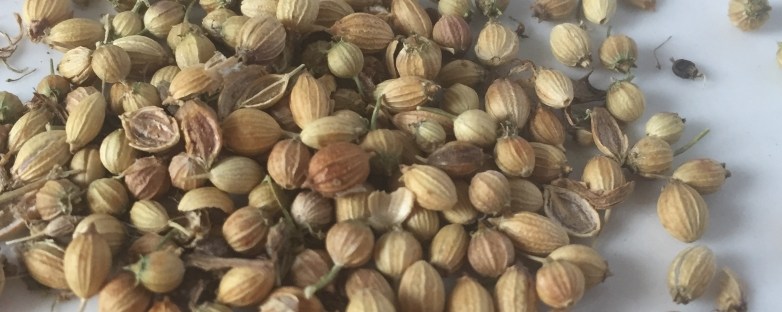
coriander seeds

Therapeutic Benefits of Coriander

 Coriander (Coriandrum Sativum)

When I think about coriander the seed of the cilantro plant comes to mind.  Some of the research I read use the two words interchangeably. The Encyclopedia Britannica refers to it as Spanish cilantro. Native to the  Mediterranean and Middle East. Uses go back to Ancient Egypt and China.  “Records of the use of coriander date to 5000 bce (Before Common Era). The seeds are yellowish brown and have a mild, fragrant aroma and aromatic taste similar to a combination of lemon peel and sage. The seeds contain from 0.1 to 1 percent essential oil; its principal component is coriandrol.” (Encyclopedia Britannica)

A clinical study from Germany’s University of Hamburg Medical Center was made and confirmed that an ointment blended with six percent coriander seed oil helps treat athlete’s foot.( Mercola.com)

Fresh cilantro leaves helps to detox heavy metals from the body.

Aphrodisiac– Stimulates sexual desire. Should I say more?

Anti-bacterial and anti-fungal inhibits the growth of bacteria and yeast. Prevents bad breath. Coriander essential oils can reduce infection significantly.

Antimicrobial– Coriander has strong antimicrobial effects against food born pathogens. By adding a little  coriander seeds, powder or cilantro to each meal, you’re protecting yourself and your family against food poisoning.

Carminative and Digestive– Relieves flatulence and stomach aches.

Analgesic– Pain relief. It’s also known to help with urinary treat infections and the pain associated with it.

Stimulant– Makes you more active, gives you more energy.

Anti-spasmodic– Relieves or prevents muscle spasm.

Mental/Emotional Uses- It has a calming effect. Has a spiritual influence. Improves memory. Speeds up healing process, promotes confidence and motivation, promotes feeling of security.

Cautions – Not during pregnancy. Not on sensitive skin. Don’t use coriander essential oil on children under three years old. The whole or powdered seeds in foods are fine.

Latest Research– Studies have shown that coriander has anti-cancer affects – can inhibit heterocyclic amine (HCA) formation in meats during cooking. Reported by The American Journal Clinical Nutrition.  Coriander is  high in carotenoids (antioxidant abilities) , lowers blood sugar according two studies published in the Journal of Food Science. “It works both by enhancing the secretion of insulin from the pancreas and exhibiting insulin-like activity at the cellular level. You can combine two to three drops of coriander essential oil with a carrier oil and put it on the soles of your feet daily”. Researchers say it may prevent neurological inflammation and disease. this super herb also lowers blood pressure and cholesterol. Dr. Axe

Whether you buy the seeds, powder, essential oil( always dilute the oil, consult your local aromatherapist) or fresh cilantro, all forms of this amazing herb has numerous health benefits.

Reference:

Schnaubelt, Kurt, Advanced Aromatherapy: The Science of Essential Oil Therapy,Rochester,Vermont, Healing Arts Press,1998.

Keim-Loughran, Joni & Ruah Bull, Aromatherapy Anointing Oils:Spiritual blessings, Ceremonies & Affirmations, CA, Berkeley , Frog Books, 2001.

https://www.britannica.com/plant/coriander

http://articles.mercola.com/herbal-oils/coriander-seed-oil.aspx

http://www.experience-essential-oils.com/coriander-essential-oil.html

http://www.botanical.com/botanical/mgmh/c/corian99.html

http://www.medicalnewstoday.com/articles/299739.php

http://universityhealthnews.com/daily/heart-health/coriander/

https://draxe.com/coriander/

coriander seeds

Essential Oil Profile: Coriander

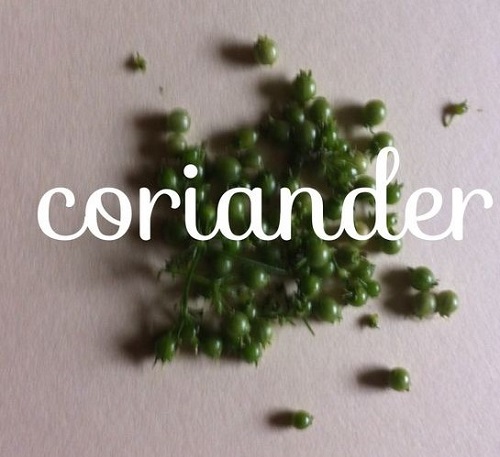
coriander1

Latin Name: Coriandrum sativum

Family: Apiaceae

Plant Part: Seed/Fruit

Method of Extraction: Distillation

Note/Element: Note: Top Element: Earth

Functional Groups: Aldehyde (relieves stress & promotes relaxation), Alcohol (high resistance to oxidation), Ketone (stimulates cell regeneration, liquefies mucous), Ether( useful as solvents for fats, oils, waxes, and perfumes).

 Type: Stimulating, Cooling

Ayurvedic Dosha: Pitta, Kapha

Scent: Spicy, fresh, penetrating, sweet, woody.

For Skin Type: None

Cautions: Not during pregnancy. Not on sensitive skin.

Physical Uses: Indigestion, nausea, appetite stimulant. Muscle and joint pain. Aides circulation. Colds and flu.

Mental/Emotional Uses: Nervous tension, stress, exhaustion, mental clarity, confidence, apathy

Other Uses: Aphrodisiac. Useful in roll-on or spray deodorants.

Blends Well With:  Flower, Fruit, Spice, Root and Wood Oils.

Possible Substitutions: Cilantro(leaves of Coriandrum sativum), Cardamom, Cumin, Ginger

References:

 Katherine Graf: Aroma Studio: Aromatherapy Home Study Certification Foundation Level, 2001-2011.

http://www.experience-essential-oils.com/chemistry-of-essential-oil.html

https://www.britannica.com/science/ether-chemical-compound

http://articles.mercola.com/herbal-oils/coriander-seed-oil.aspx

For educational purposes only. This information has not been evaluated by the Food and Drug Administration.This information is not intended to diagnose, treat, cure, or prevent any disease.

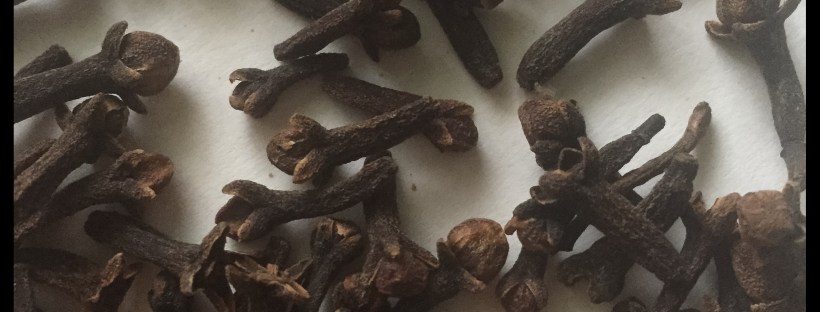
Essential Oil Profile: Clove Bud

Clove Bud (Eugenia caryophyllata)

Latin Name: Eugenia caryophyllata

Family: Myrtaceae

Plant Part: Blossoms

Method of Extraction: Distillation

Note/Element: Note: Top/Middle. Element: Fire.

Strength: Strong

Functional Group: Sesquiterpene, ester, phenol, oxide

Type: Stimulating, warming

Ayurvedic Dosha (Balances): Kapha (caution, sensitizing and irritating)

Scent: spicy, sweet, woody and penetrating

For Skin Type: None

Cautions: Not during pregnancy. Irritating. Use highly diluted. Skin sensitizing. Do not use with high blood pressure. Never with children.

Physical Uses: Warming, infection, colds, flu, cough, toothache, sore muscles and joints, strains, rheumatism, bronchitis, aid in cardiovascular (blood circulation) and immune  system function & asthma.

Mental/Emotional Uses: Revitalizing, mental clarity, fatigue, studying(use in diffuser).

Other Uses: Christmas scent, perfumery,disinfectant, insect repellent.

Blends Well With: Flowers, spices, citrus, woods, roots and resins.

Possible Substitutions: Cardamom, Cinnamon

Reference:

Katherine Graf:Aroma Studio:Aromatherapy Home Study Certification Advanced Level, 2001-2011.

http://www.aromaweb.com/essential-oils/clove-bud-oil.asp

http://www.essentialoils.co.za/essential-oils/clove.htm

http://www.cloveessentialoils.com/

Essential Oil Profile: Clary Sage

Clary Sage

Latin Name: Salvia sclarea

Family: Lamiaceae(Labiatae)

Plant Part: Flower/buds,sometimes leaves

Method: Distillation

Note/Element: Note:Top/ Middle. Element: Wood.

Functional Groups: Alcohol, Ester

Type: Euphoric

Ayurvedic Dosha (Balances): Vata, Pita, Kapha

Scent: Hay-like, herbaceous,tea-like,bitter-sweet floral, musky

For Skin Type: Oily, Mature

Cautions: Not during pregnancy, not w/alcohol use. Avoid w/estrogen dependent conditions such as endometriosis, cysts, and cancers.

Physical Uses: Menstrual cramps, menopause, amenorrhea(an abnormal absence of menstruation), labor, indigestion, sore muscles, dandruff, digestion, lower blood pressure, headache relief

Mental/Emotional Uses: PMS, depression, stress, tension, postpartum depression, inspiration

Other Uses: Aphrodisiac, alcohol addiction

Blends Well With: Flowers, peel- Bay, bergamot, black pepper, cardamom, cedarwood, chamomile, coriander, cypress, frankincense, geranium, grapefruit, jasmine, juniper, lavender, lemon balm, lime, mandarin, patchouli, petitgrain, pine, rose, sandalwood, tea tree

Possible Substitutions: Chamomile Roman

                                                                                                             Photos-Fordville Gardens

References:

Katherine Graf:Aroma Studio:Aromatherapy Home Study Certification Foundation Level, 2001-2011.

https://www.mountainroseherbs.com/products/clary-sage-essential-oil/profile

The Health Benefits of Clary Sage Essential Oil

http://www.aromaweb.com/essential-oils/clary-sage-oil.asp

For educational purposes only. This information has not been evaluated by the Food and Drug Administration.This information is not intended to diagnose, treat, cure, or prevent any disease.

Essential Oil Profile: Citronella

Latin Name: Cymbopogon winterianus

Family: Poaceae (Gramineae)

Plant Part: Leaves (some include stems)

Method: Distillation

Note/Element: Note: Top Element: Wood

Functional Groups: Alcohol, Ester, Aldehyde

Type: Stimulating

Ayurvedic Dosha (Balance): Pitta, Kapha

Scent: Lemony, slightly fruity

For Skin Type: Oily

Cautions: Not during pregnancy;skin sensitizing; do not take orally.

Physical Uses: Colds, flu, cooling, perspiration, sore muscles and joints, toothaches, digestive issues, rheumatism, fatigue anti bacterial, oily skin and fungal.

Mental/Emotional Uses: Mental fatigue, emotionally uplifting, calmness.

Other Uses: Insect repellent for flying insects, especially mosquitoes. apply a drop to a bandana to ward off insects or add 15 drops to 1 ounce witch hazel spray.

Blends Well With: Grasses, citrus, lavender, roots and wood.

Possible Substitutions: Lemongrass or eucalyptus lemon( Eucalyptus citriodora)

IMG_5450

                                                                                             photo from ls-naturals.com

References

Katherine Graf:Aroma Studio:Aromatherapy Home Study Certification Advanced Level Level,2001-2011.

http://ayurvedicoils.com/tag/health-benefits-of-citronella-essential-oil

http://www.aromaweb.com/essential-oils/citronella-oil.asp

Citronella Essential Oil